Interview with the Founder of Socorro Andino Peruano
Agenda Magazine – Ancash Special Edition
Introduction
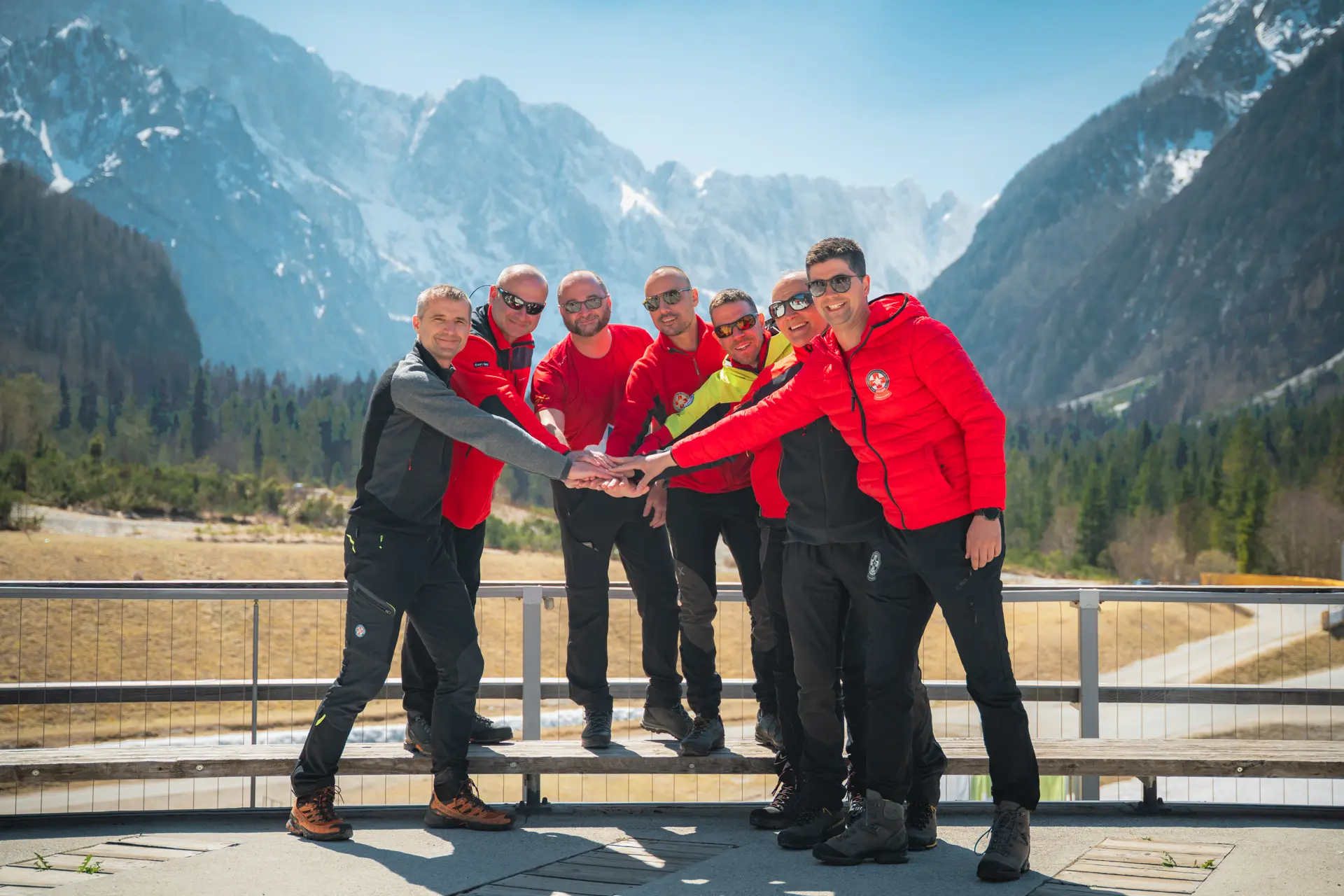
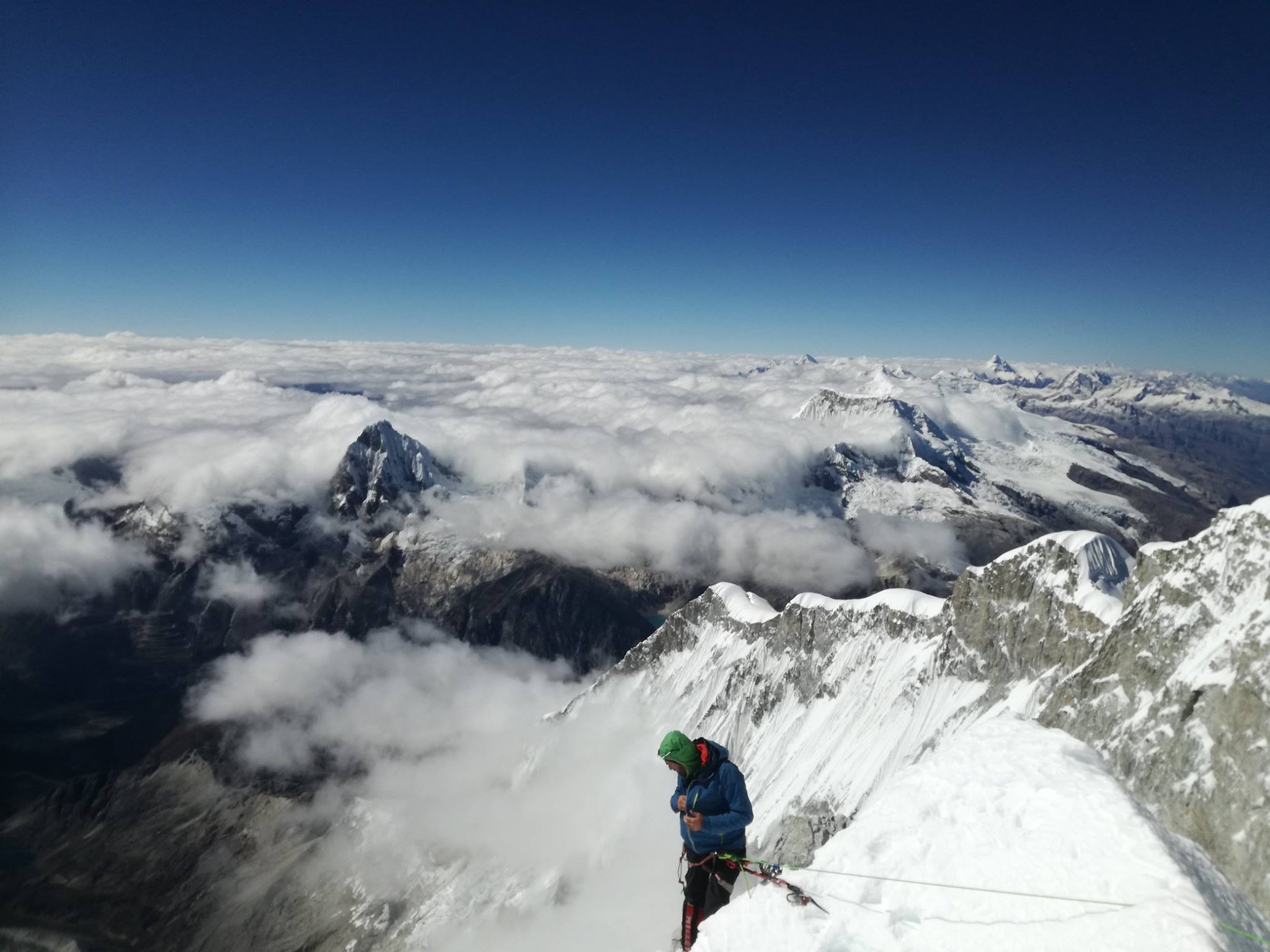
In a country with mountains that touch the sky and attract adventurers from all over the world, Socorro Andino Peruano (SAP) has established itself as the first private high-mountain rescue team in Huaraz. Founded in 2020, this organization brings together mountain guides certified by the IVBV – UIAGM – IFMGA, experienced climbers, and rescuers who have made solidarity and safety their life’s mission.
Today, with 35 active members, they are the first line of support for emergencies in the Cordillera Blanca and the Cordillera Huayhuash, territories that represent the capital of mountaineering in Peru. We spoke with its founder to learn about the history, challenges, and future vision of this institution that is already a national benchmark in mountain rescue.
I. Origin and Motivation
1. What personally motivated you to found Socorro Andino Peruano?
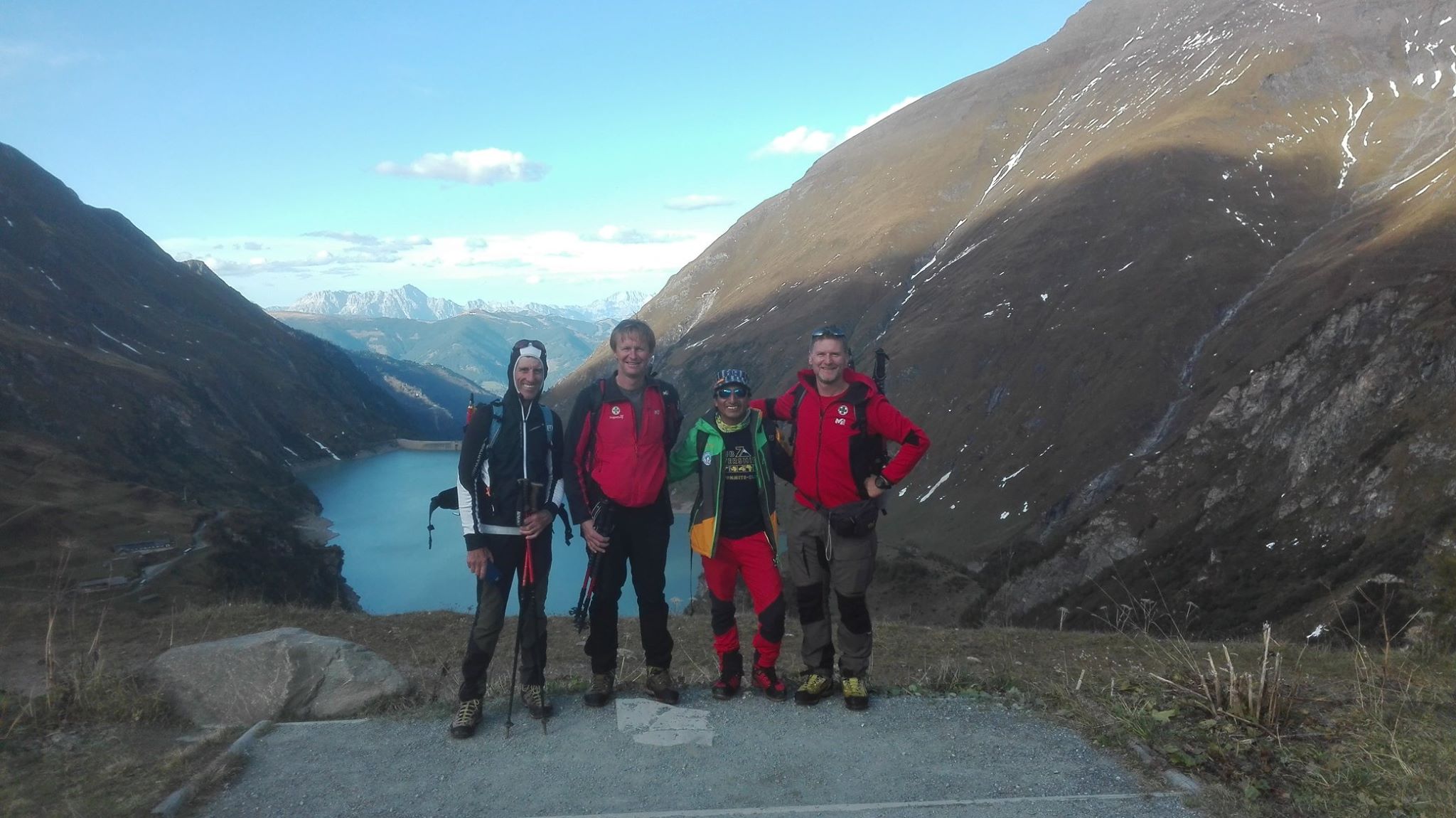
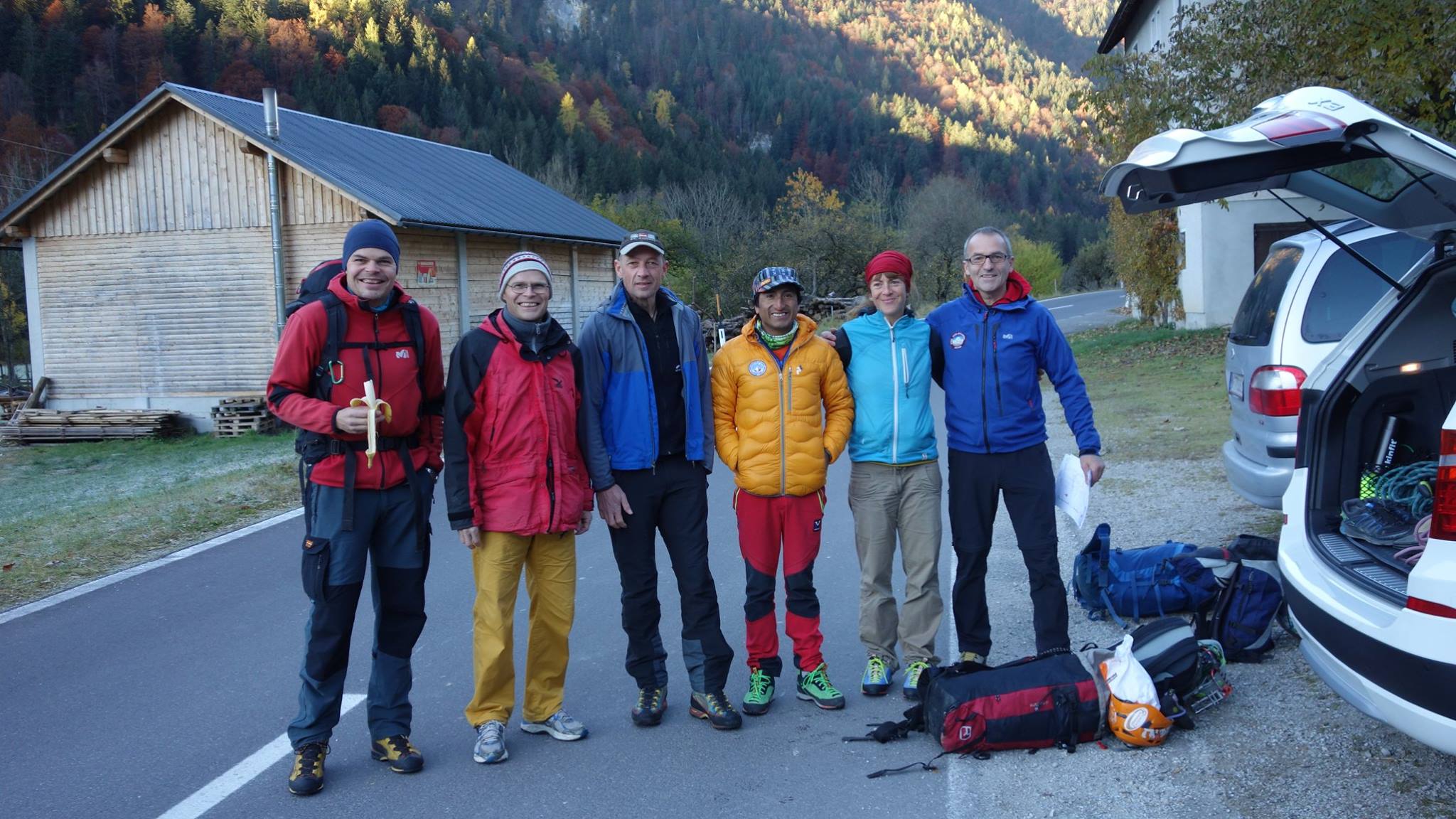
Many years ago, I traveled to Europe and saw how rescuer associations were perfectly organized, ready to respond immediately to any emergency. Upon returning, I noticed the shortcomings and lack of organization that still existed in the Cordillera Blanca—a place that, being one of the most important destinations for mountaineering, also presents great difficulties and risks. That experience was decisive: it motivated me to found Socorro Andino Peruano with the idea of gathering and training professional rescuers capable of responding with efficiency and commitment to emergency calls in our mountains, the Andes.
2. What were the main shortcomings or needs you saw in mountain rescues at that time?
In those years, the main shortcomings we observed in mountain rescues were related to a lack of logistical preparation and immediate response. Often, in the face of a real emergency, not all participants were ready to head out immediately, which delayed care. Additionally, we did not have lightweight and appropriate equipment to act quickly.
During my travels, I could see that in Europe this aspect was much more developed: there were clear protocols, specialized equipment, and efficient organization. That experience inspired me to implement quality standards and rapid response in the Andes, especially thinking of foreign visitors who come to the Cordillera Blanca from all over the world—Europe, the United States, and elsewhere—who expect to find safety in these mountains.
3. How do you remember the first rescues, when you were still a small team facing enormous challenges?
I remember those first rescues as a stage of many challenges. We were a very small team, almost a closed circle, with few participants and limited resources. However, what sustained us was solidarity and the conviction that safety should come above everything else.
Over time, the team grew and added more committed people, who also became specialized. Today we have more members and greater collective experience, which allows us to respond better and faster to any emergency. This evolution reflects that, in the mountains, unity and teamwork are the true keys to saving lives.
II. Mission and Human Value
4. How would you define the essence of Socorro Andino Peruano in a few words?
The Essence is responsibility and love for one’s neighbor. Being part of a rescue is simply responding to the call of humanity and solidarity. In the mountains, we are all vulnerable; today you help, tomorrow you might need help.
5. Could you share a particularly emotional or difficult experience that has marked the history of SAP?
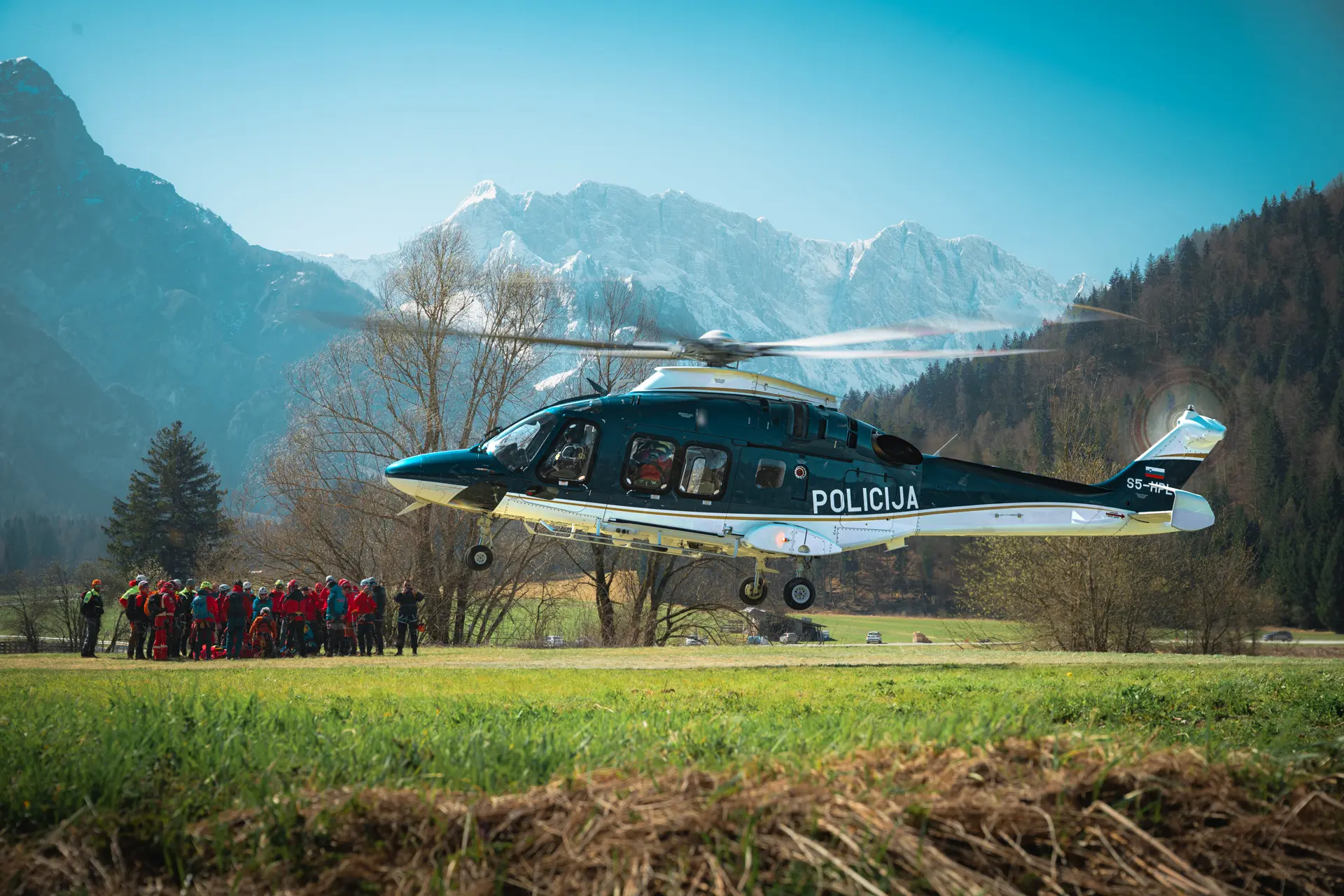
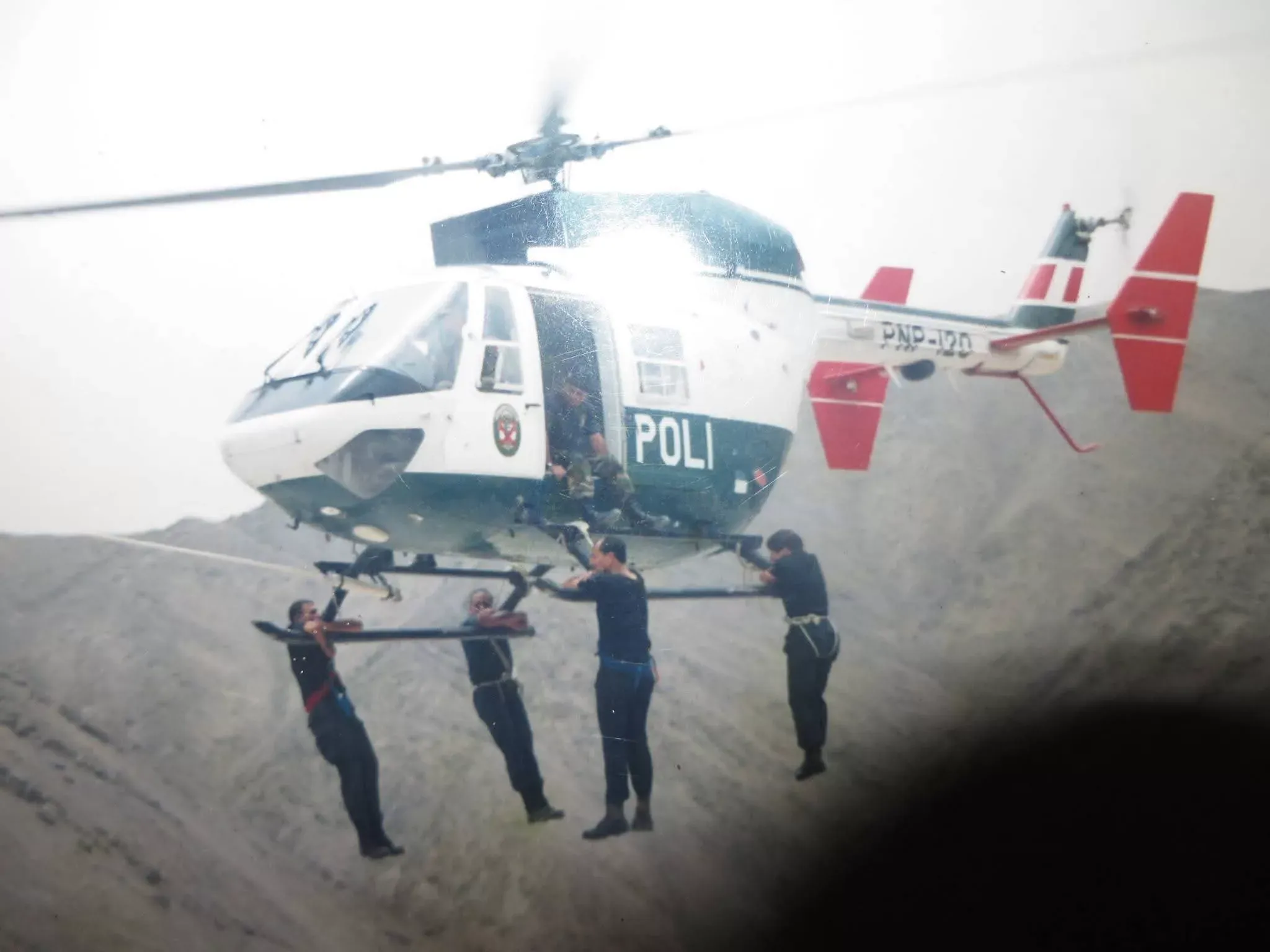
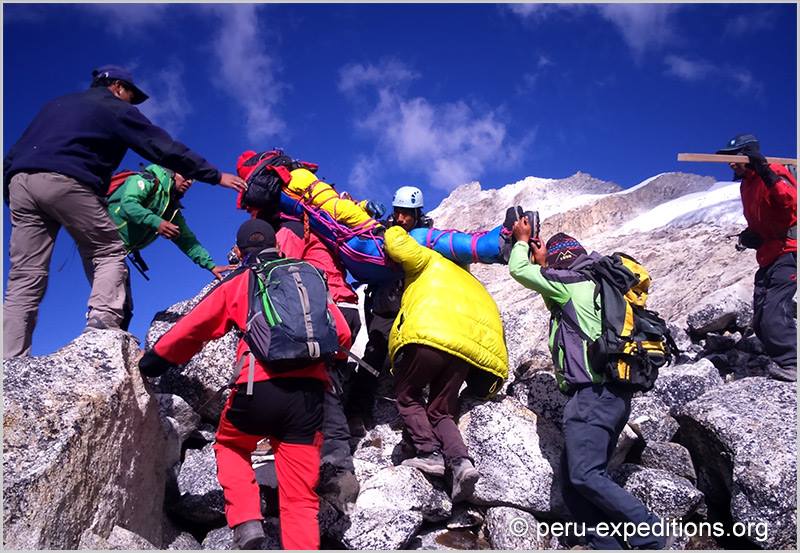
One of the hardest rescues was on Huascarán, when two Japanese mountaineers were trapped at over 6,500m on the Shield route. We had to arrive in record time, taking what would normally take four days. It was very demanding, but with preparation and the support of the National Police helicopter, we managed to complete the operation. That experience marked the history of SAP.
III. Professionalism and Recognition
6. What does it mean to you to be recognized as the first private mountain rescue team in Peru?
To be recognized as the first private mountain rescue team in Peru is a source of pride and a great responsibility. It represents years of effort, discipline, and commitment to providing safety in the Cordillera Blanca, and it motivates us to keep improving every day.
7. Your team is made up of internationally certified guides and specialists. What weight does this preparation have in differentiating you from other rescue groups?
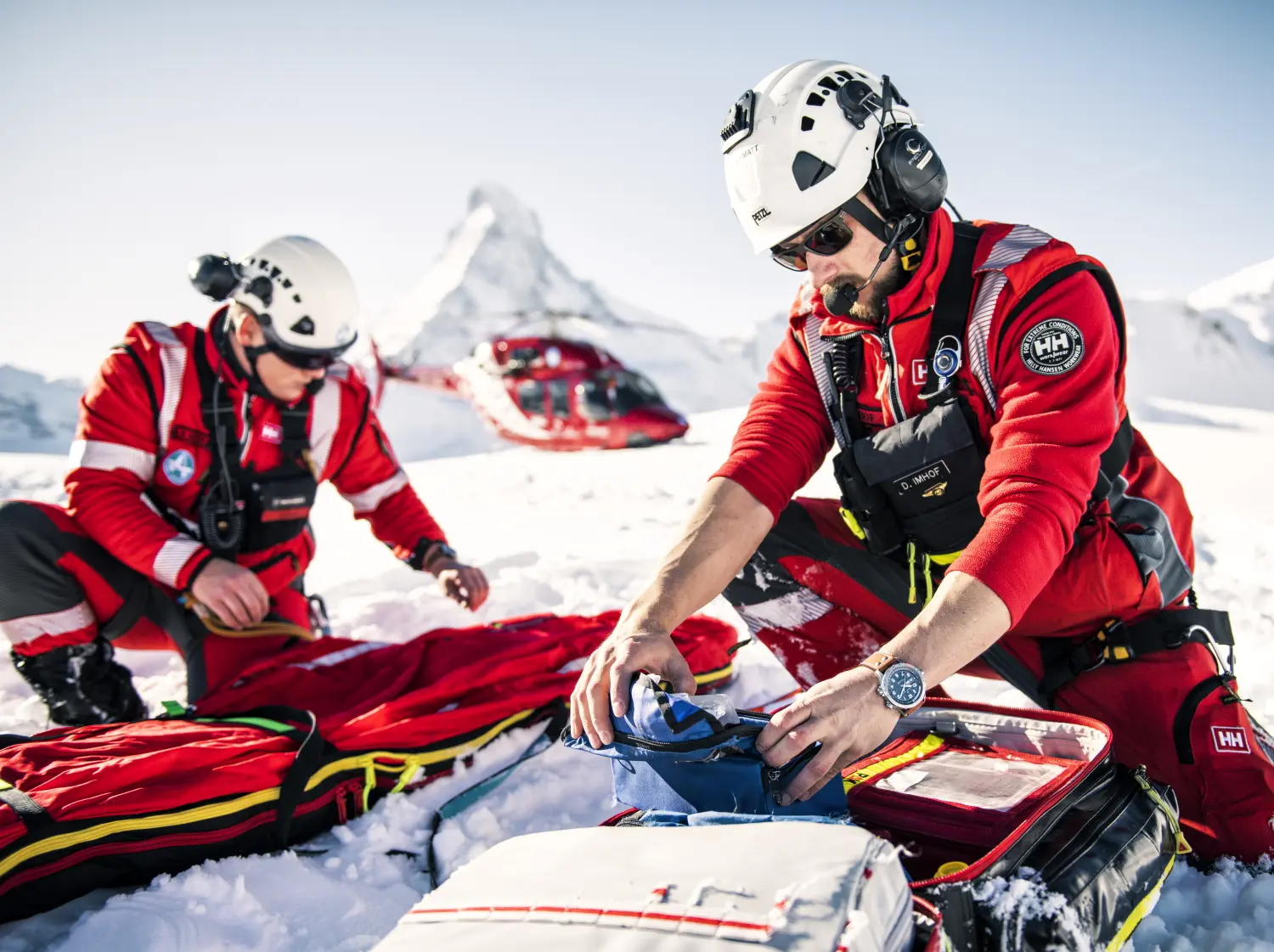
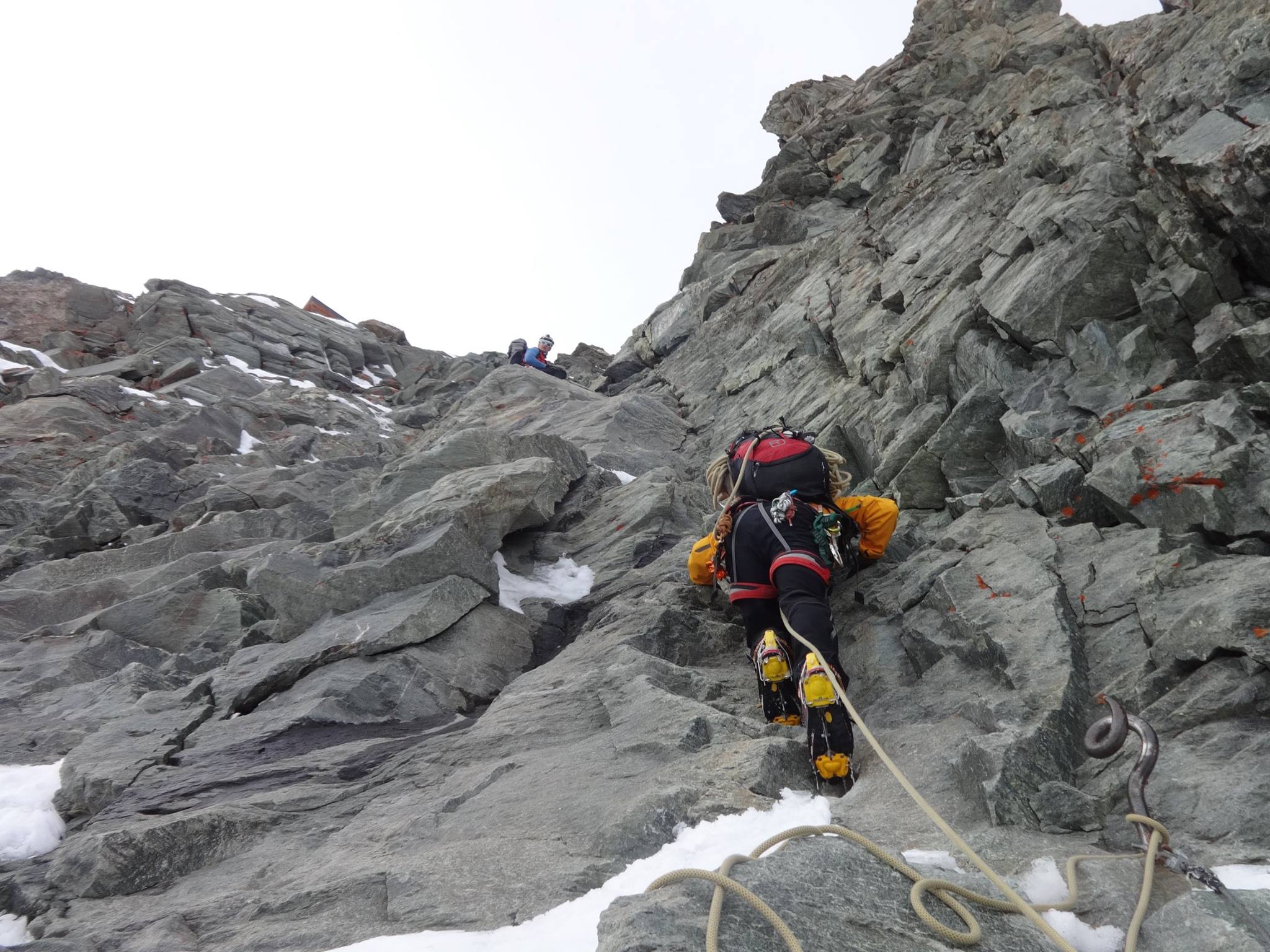
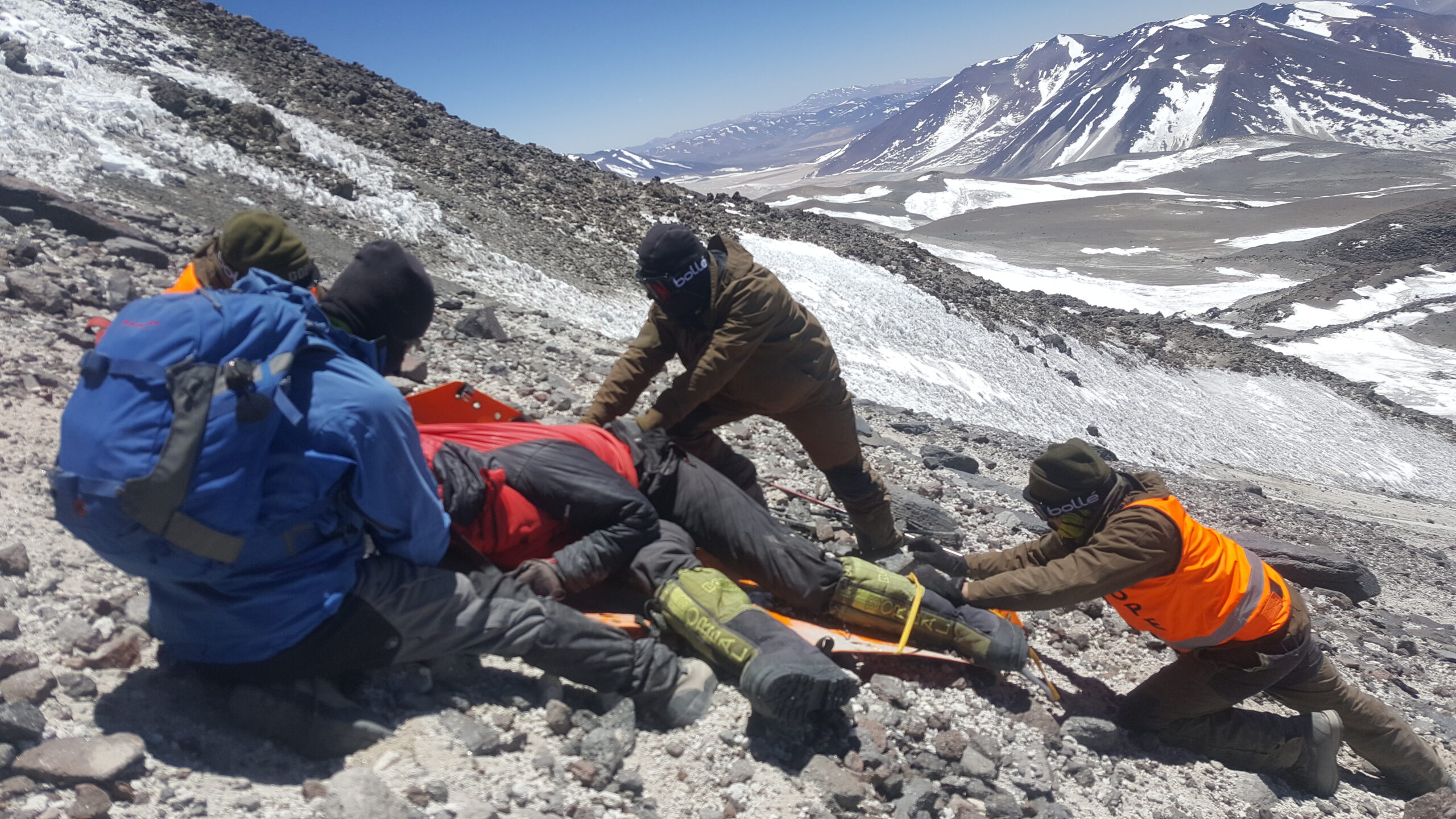
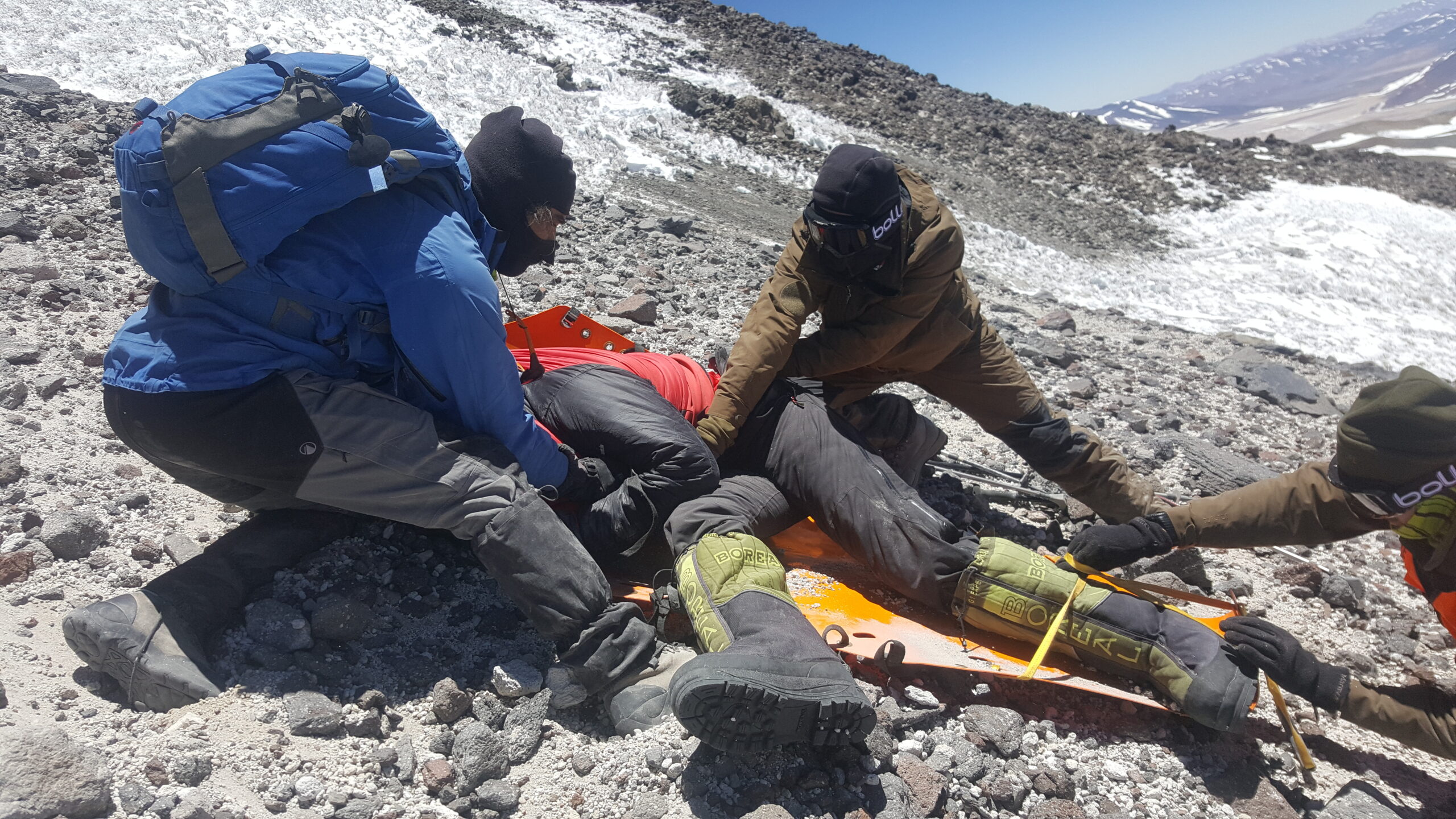
In Peru, there are various rescue systems such as SAMU, Firefighters, or the National Police. The difference with Socorro Andino Peruano is that our rescuers are trained to operate in high-mountain terrain, where altitude and extreme conditions require very specific preparation. Most are guides certified by the International Federation of Mountain Guides Associations (IFMGA), which guarantees their technical capacity. From 5,000 meters up, where the mountains of the Cordillera Blanca become more rugged and difficult to access, physical demand and specialized equipment—boots, helmet, harness, ice axe, technical warm clothing—make the difference between a successful rescue and a failure.
8. Currently, what role do alliances with institutions like the High Mountain Police and the Armed Forces play?
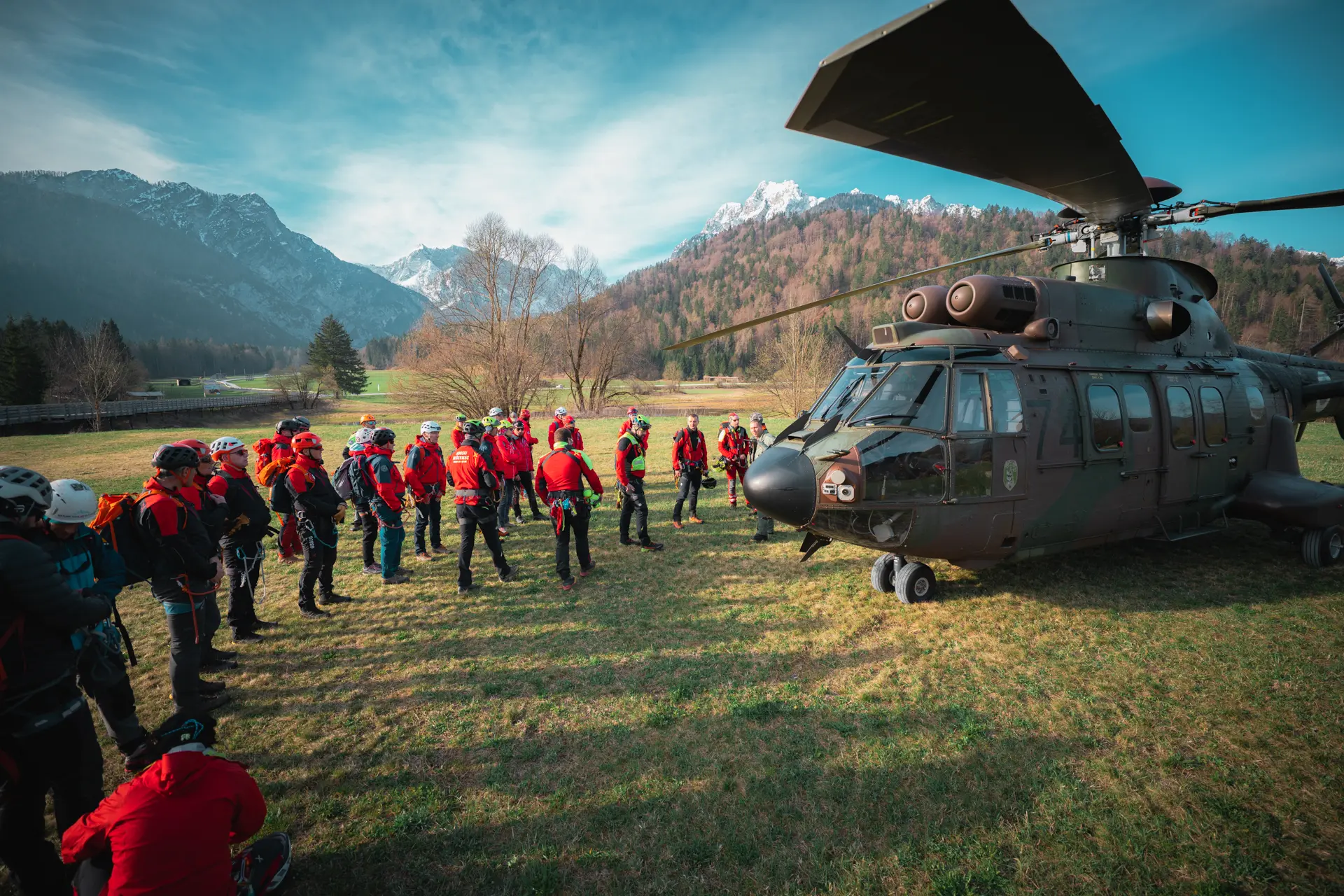
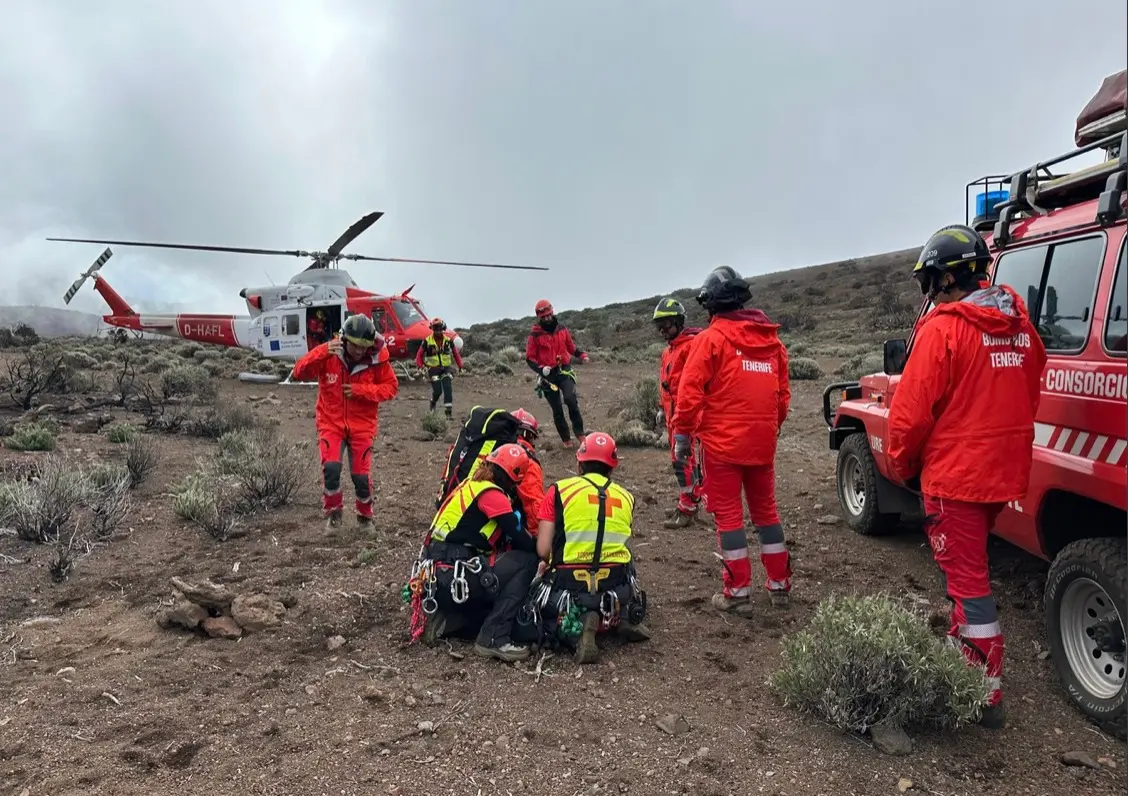
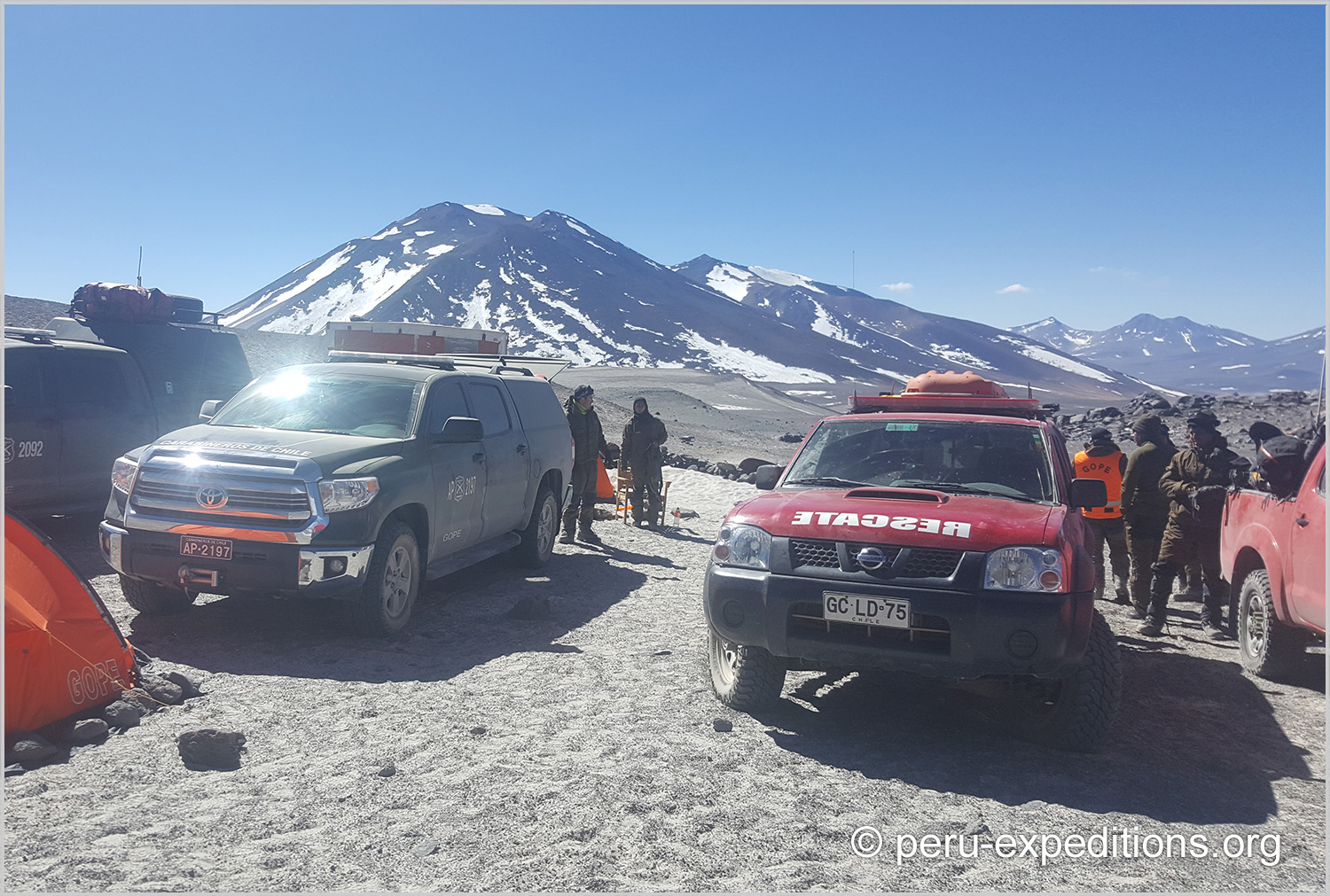
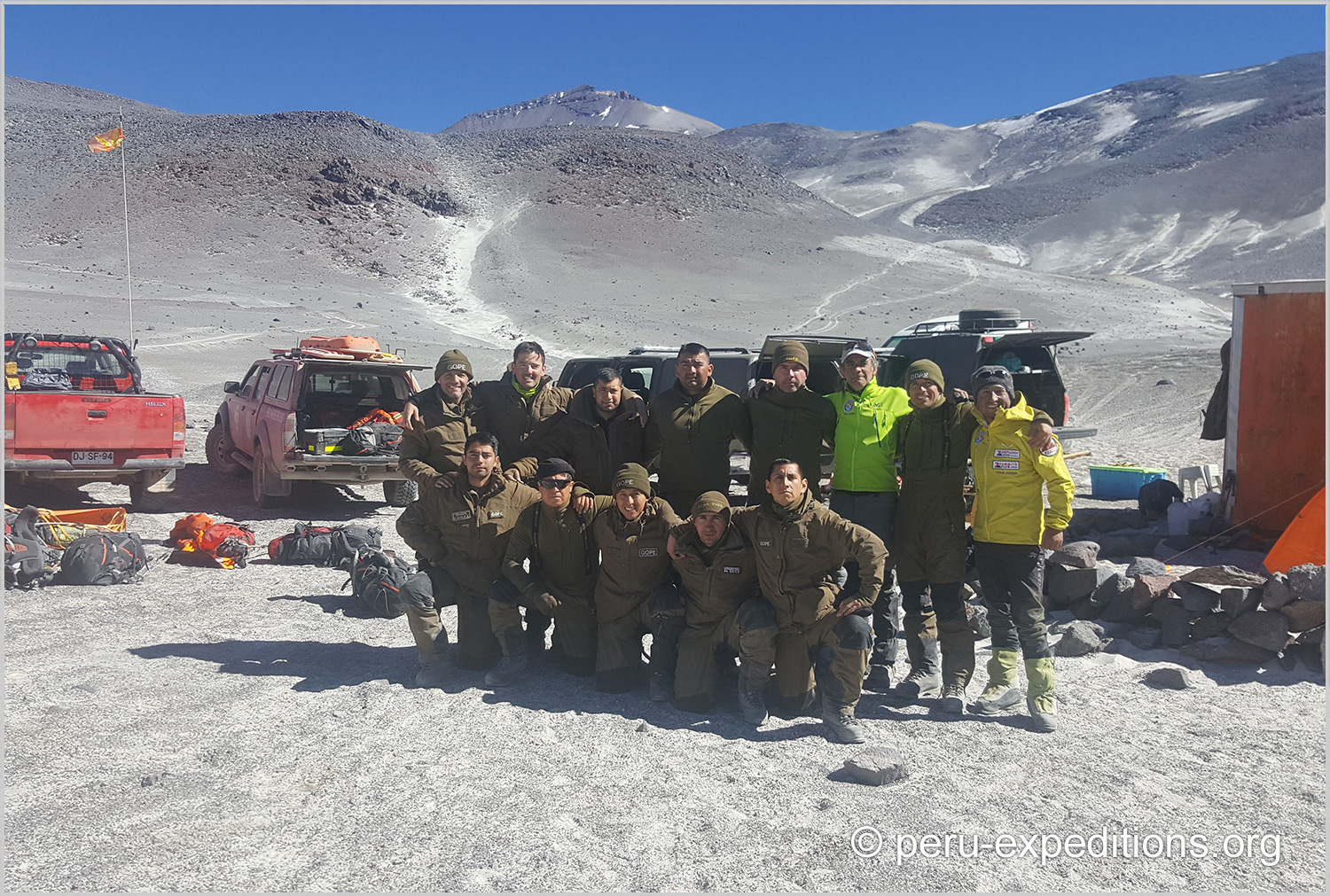
The presence of the High Mountain Police and the Armed Forces is fundamental because they are part of our work. Their support with helicopters and specialized rescuers allows for fast and effective evacuations. Thanks to this coordination, we can mobilize more personnel and react more quickly in critical operations.
IV. Challenges and Operations
9. How do you organize yourselves in terms of logistics and financing to sustain operations that often involve extreme risks?
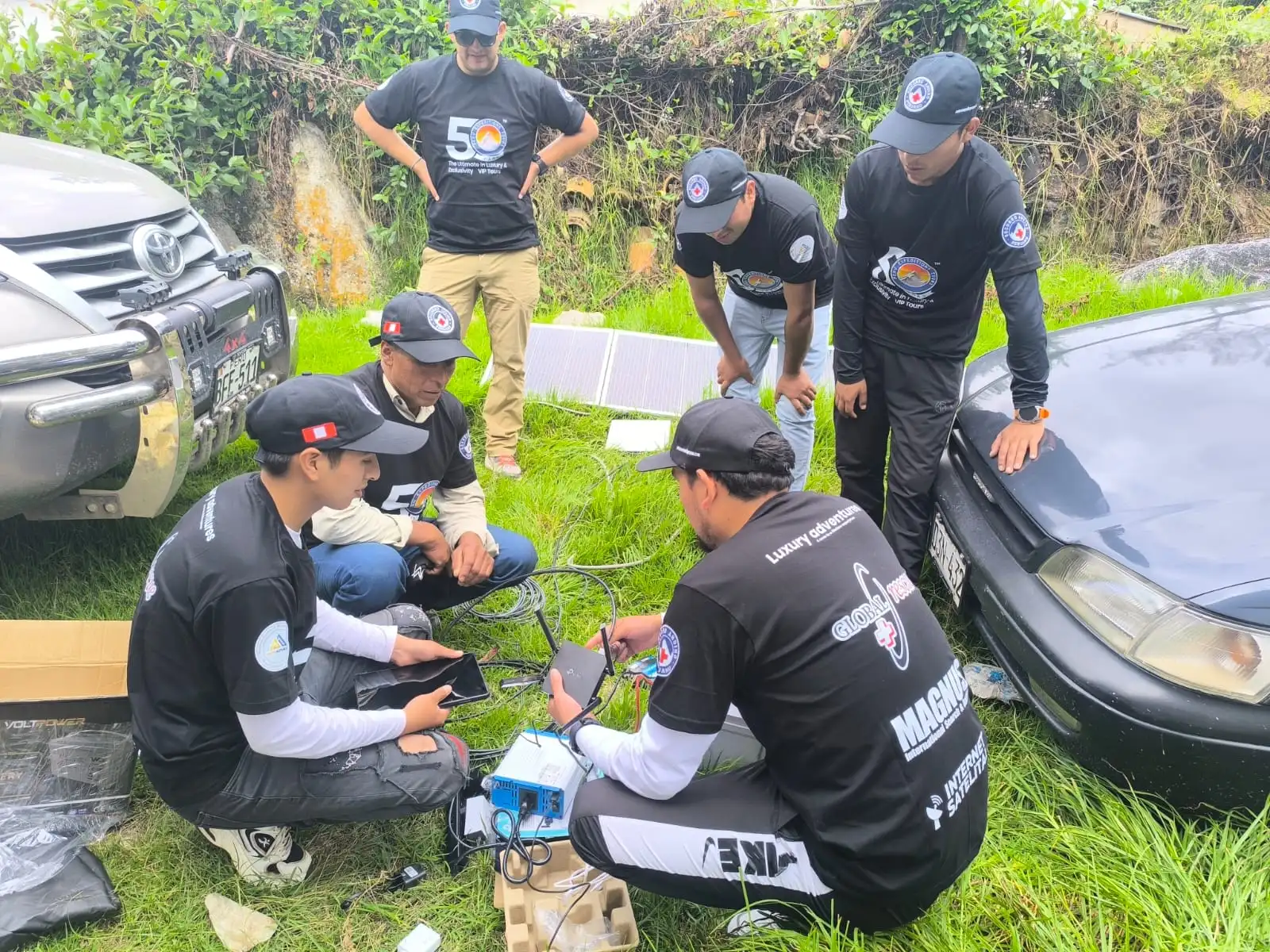
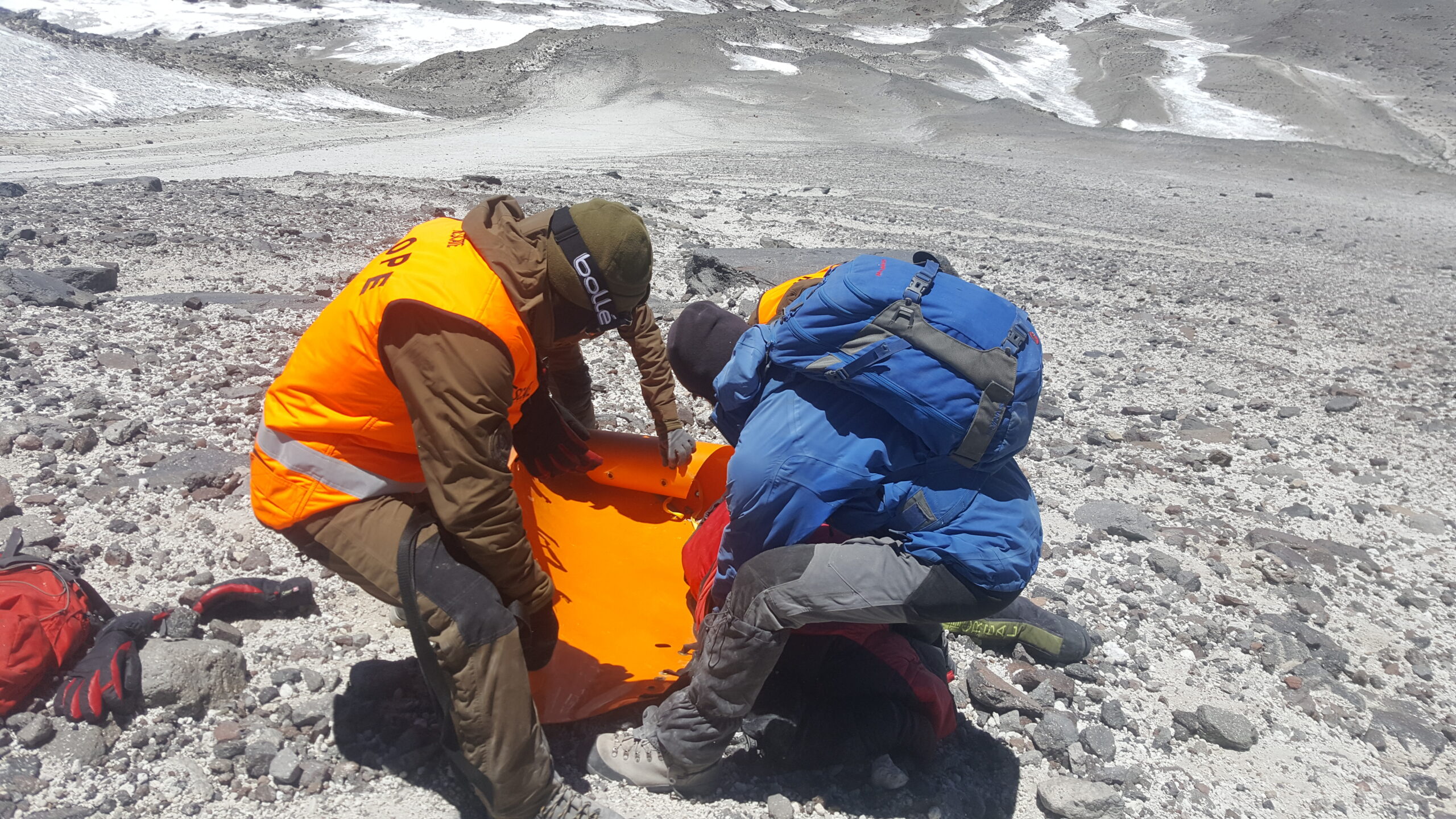
In the mountains, we use specialized and lightweight equipment adapted to extreme conditions. For example, our stretchers weigh between 5 and 8 kilos, which allows them to be transported easily without losing safety during immobilization. Additionally, we have GPS, radios, satellite equipment like Starlink, and lightweight stoves. Without this technology, it would be impossible to respond effectively. Our major pending project is to manage a helicopter capable of operating above 6,000 meters, as is already the case in other mountain ranges of the world, which would make rescues much faster and safer.
V. Community, Safety, and the Future
10. In addition to rescues, what training initiatives do you develop for mountaineers, tourists, and local communities?
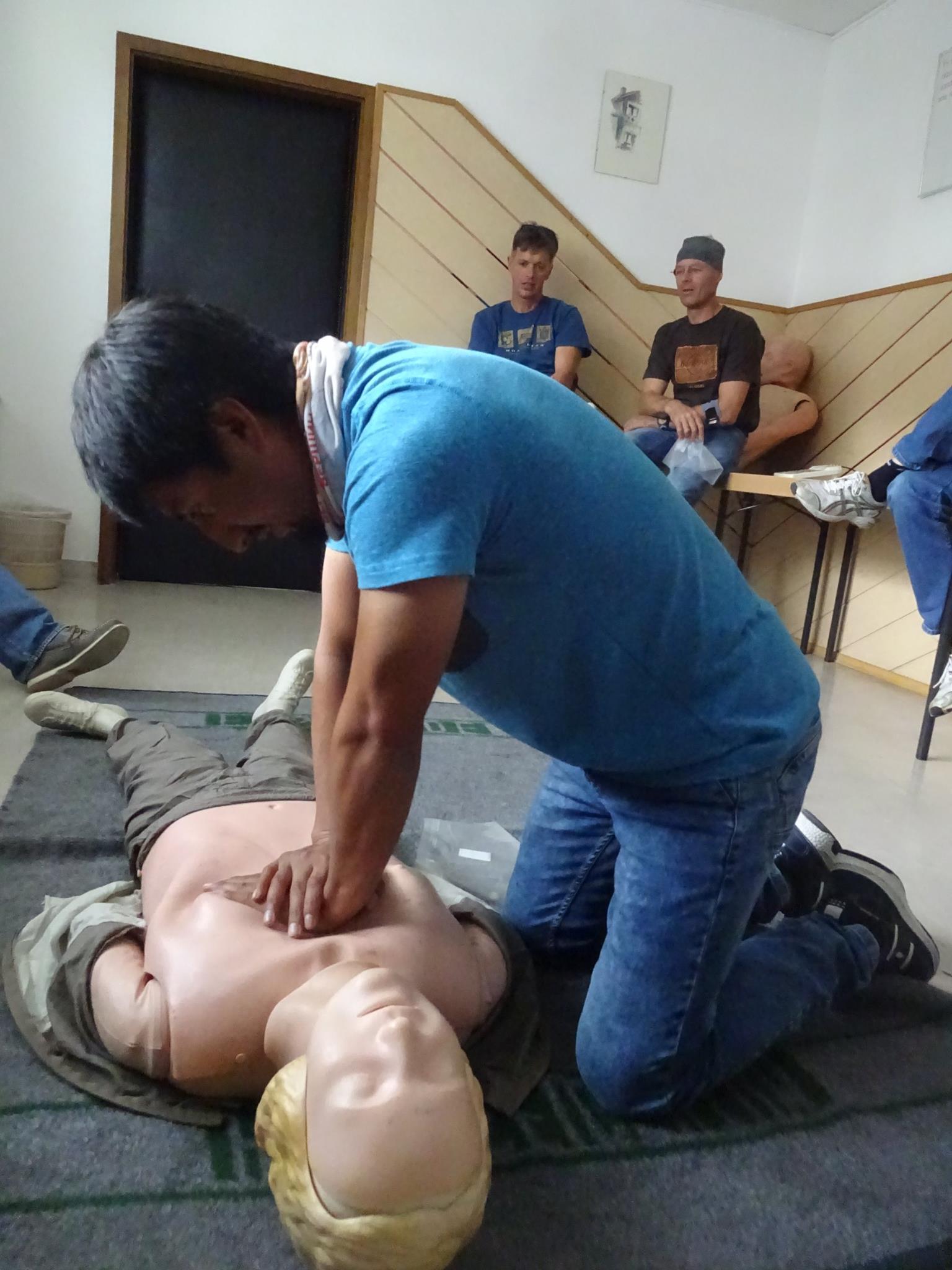
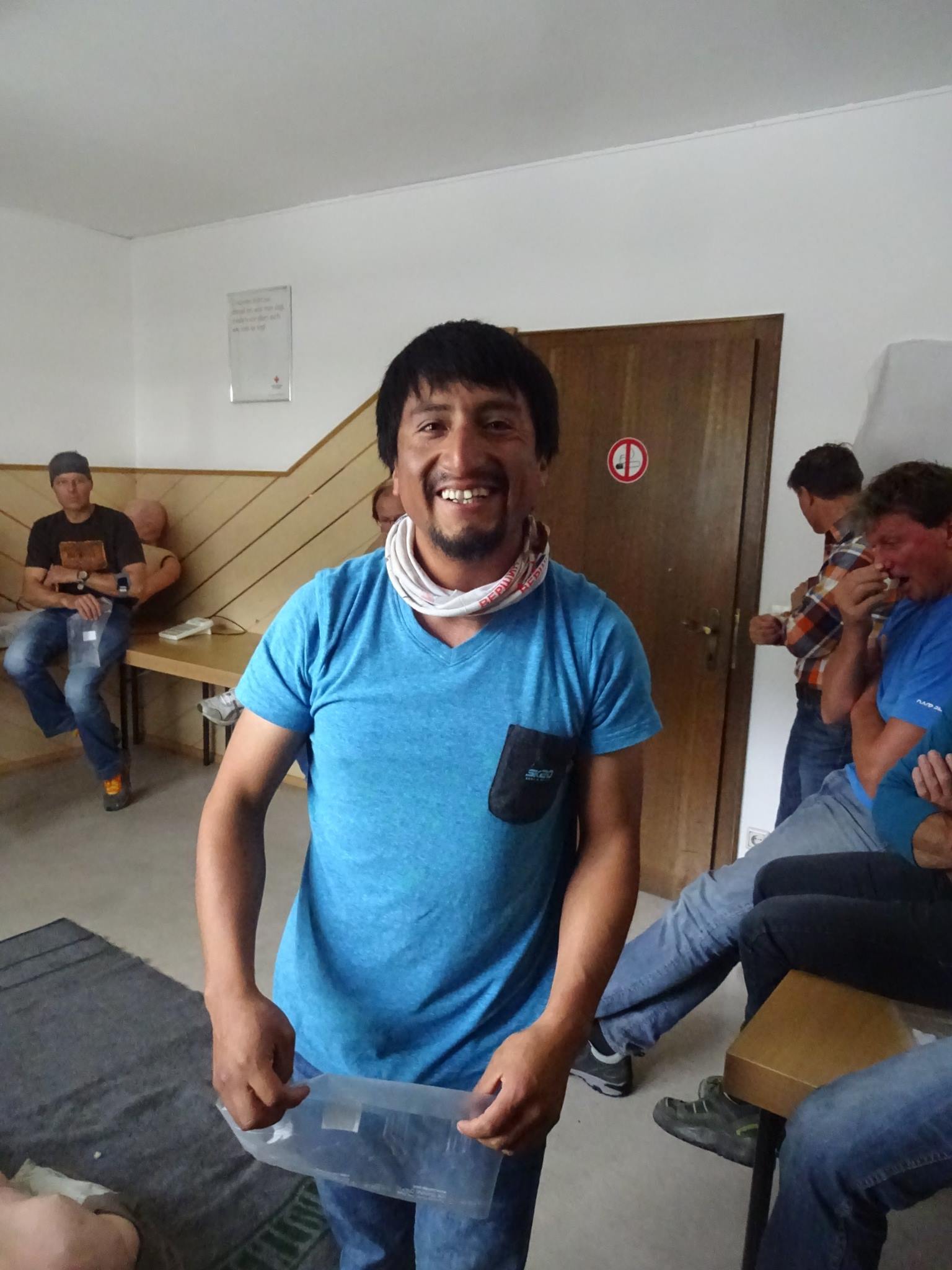
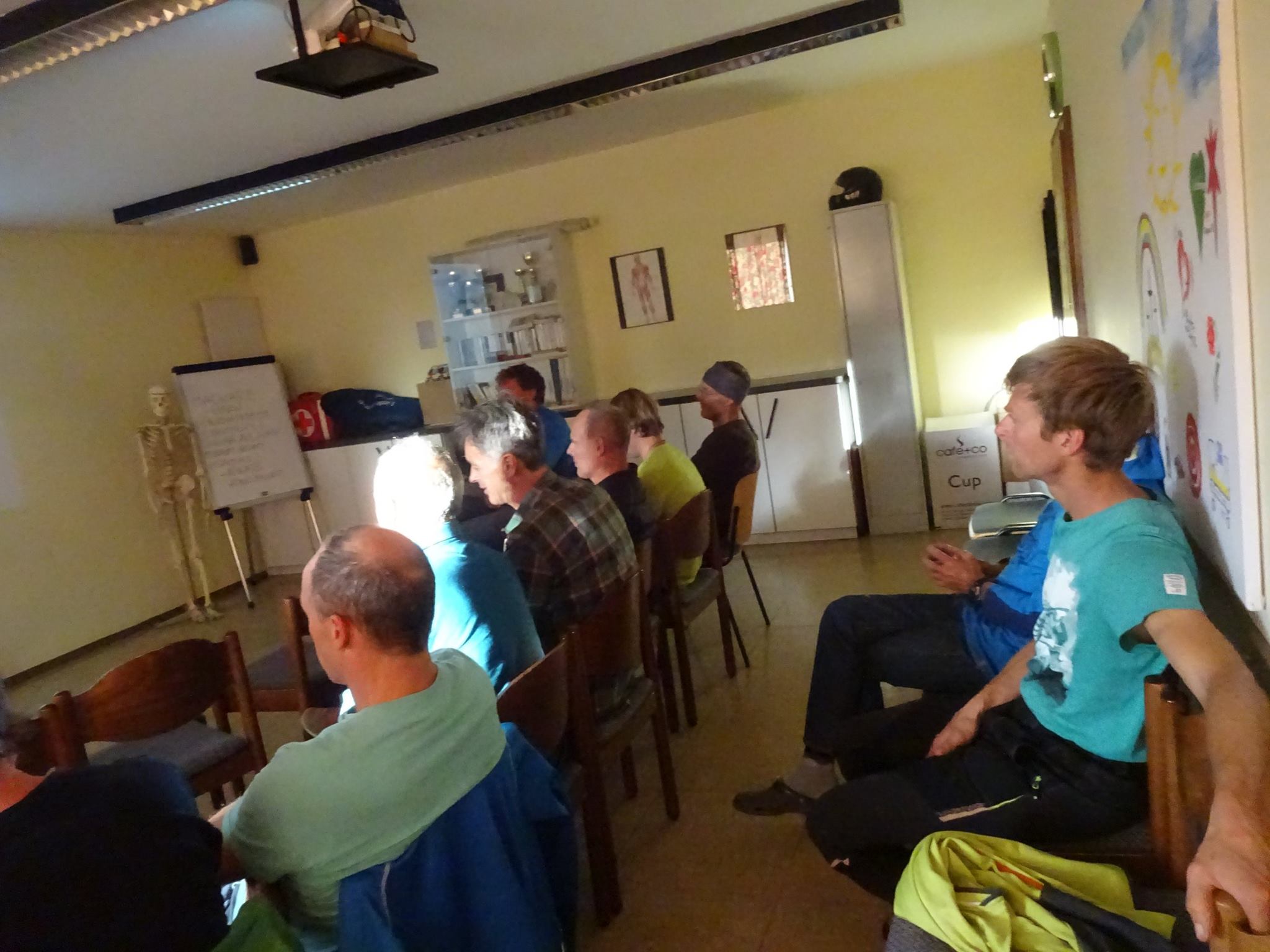
In addition to rescues, we work constantly on prevention. We organize training in high-altitude first aid, conduct rescue drills, mountain safety workshops, and training on the proper use of technical equipment.
We also hold workshops and talks for tourists, mountaineers, and local communities to foster a culture of prevention and respect for the mountain. Our goal is for everyone who ventures into the Andes to do so responsibly and with the necessary tools to reduce risks and enjoy the experience safely.
11. What is the next project for Socorro Andino Peruano?
Our next project is to conduct a national heli-tactical mountain rescue course in Peru. Bolivia already has a three-phase program, and we want to follow that example, being one of the first institutions to implement this comprehensive training to form future rescuers.