High Altitude Operations Challenges
Andean Context and Reality
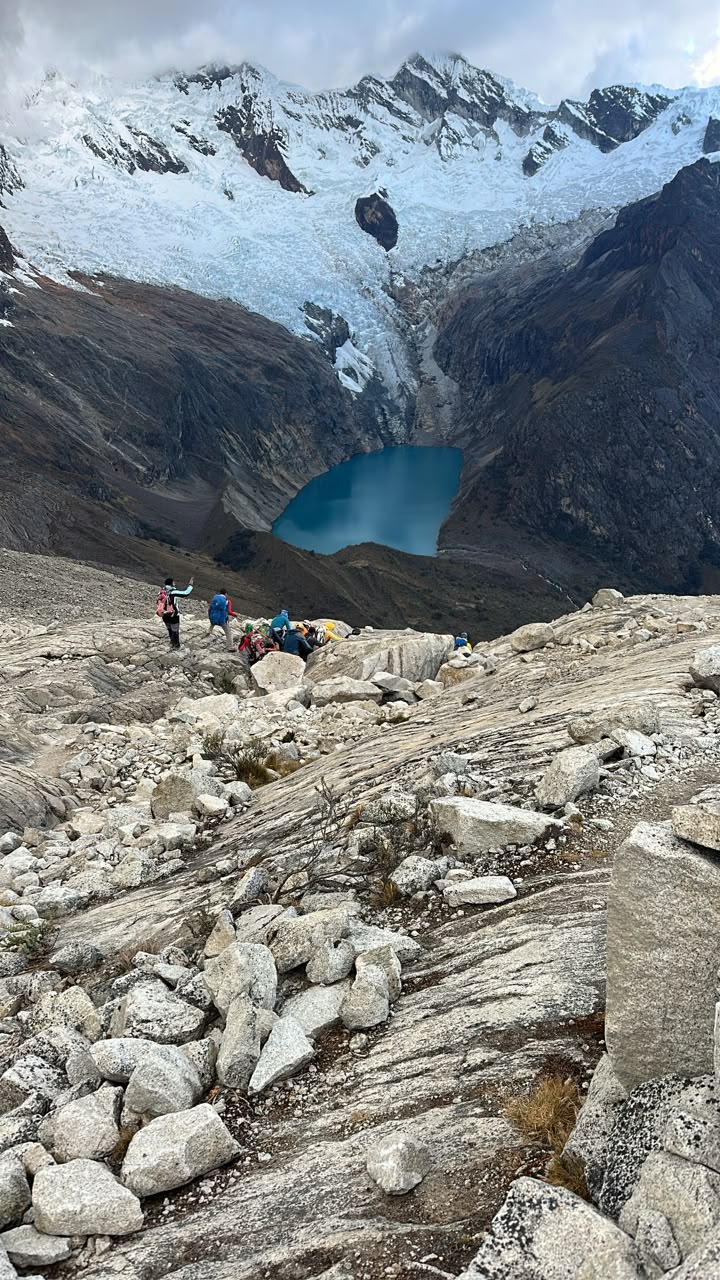
Peru is home to the Cordillera Blanca in Ancash, with dozens of peaks exceeding 6,000 meters, including the imposing Nevado Huascarán (6,768 m). Likewise, the Cordillera Vilcanota in Cusco (Ausangate) and the Cordillera Volcánica in Arequipa (Coropuna) stand out.
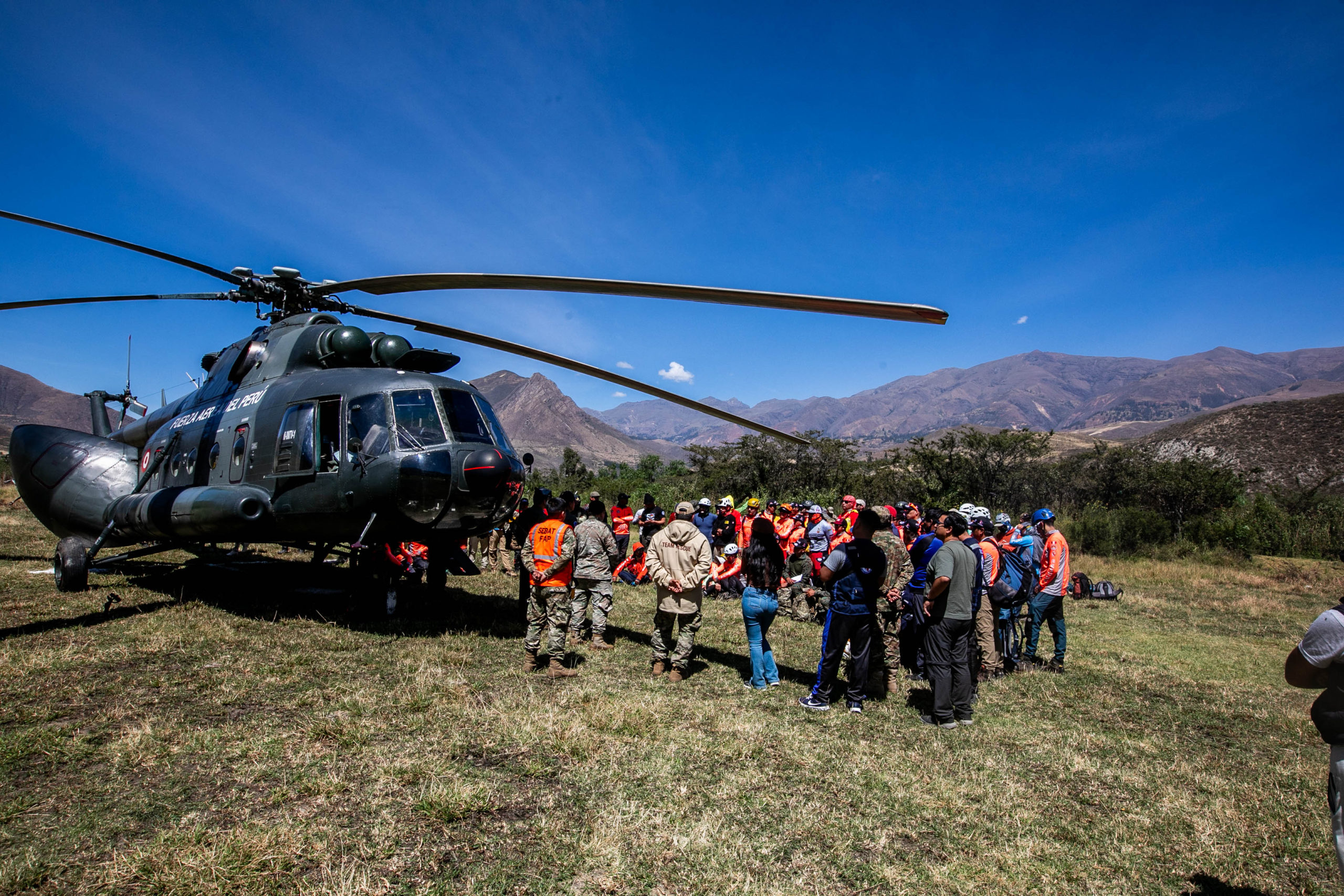
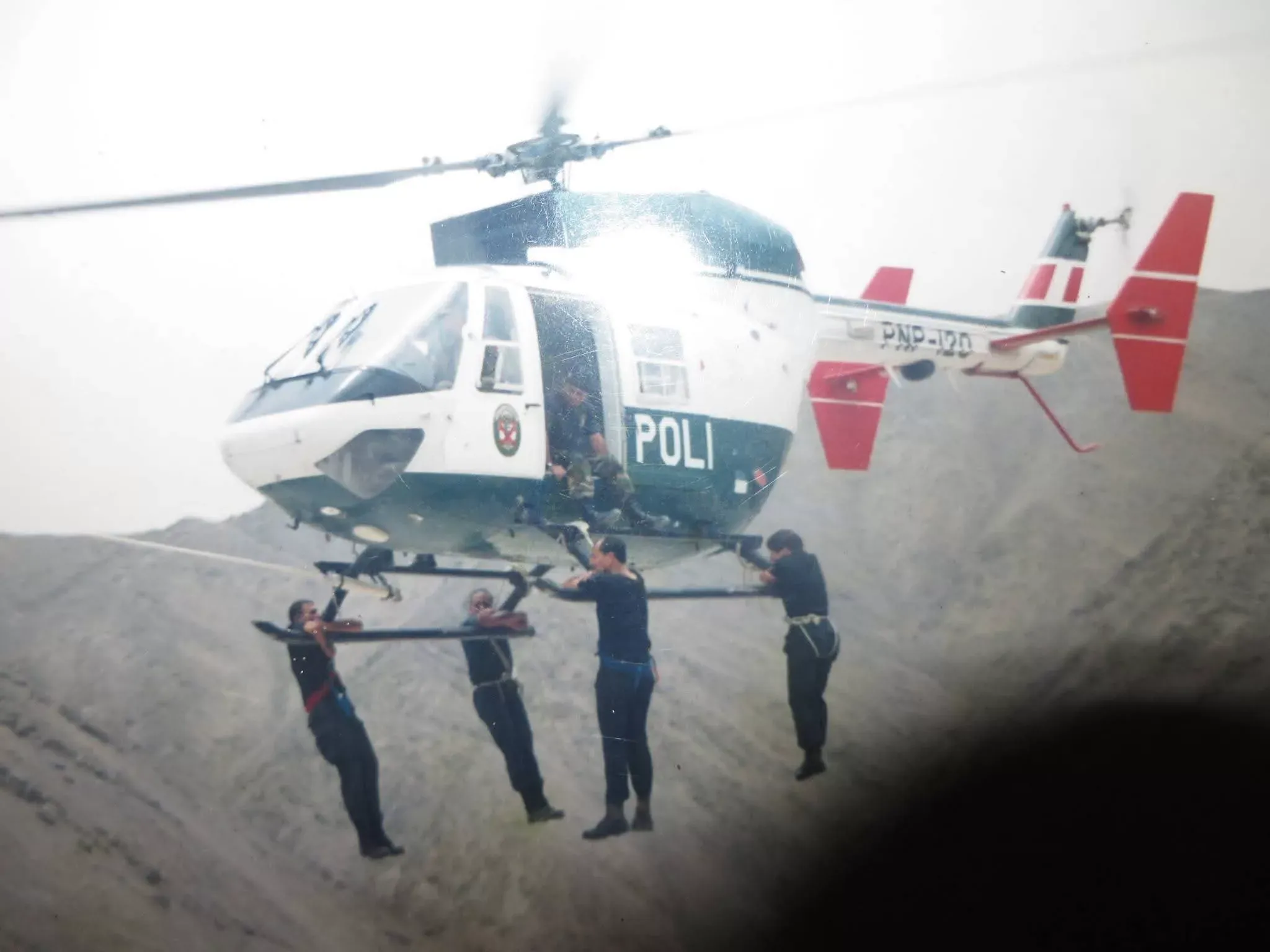
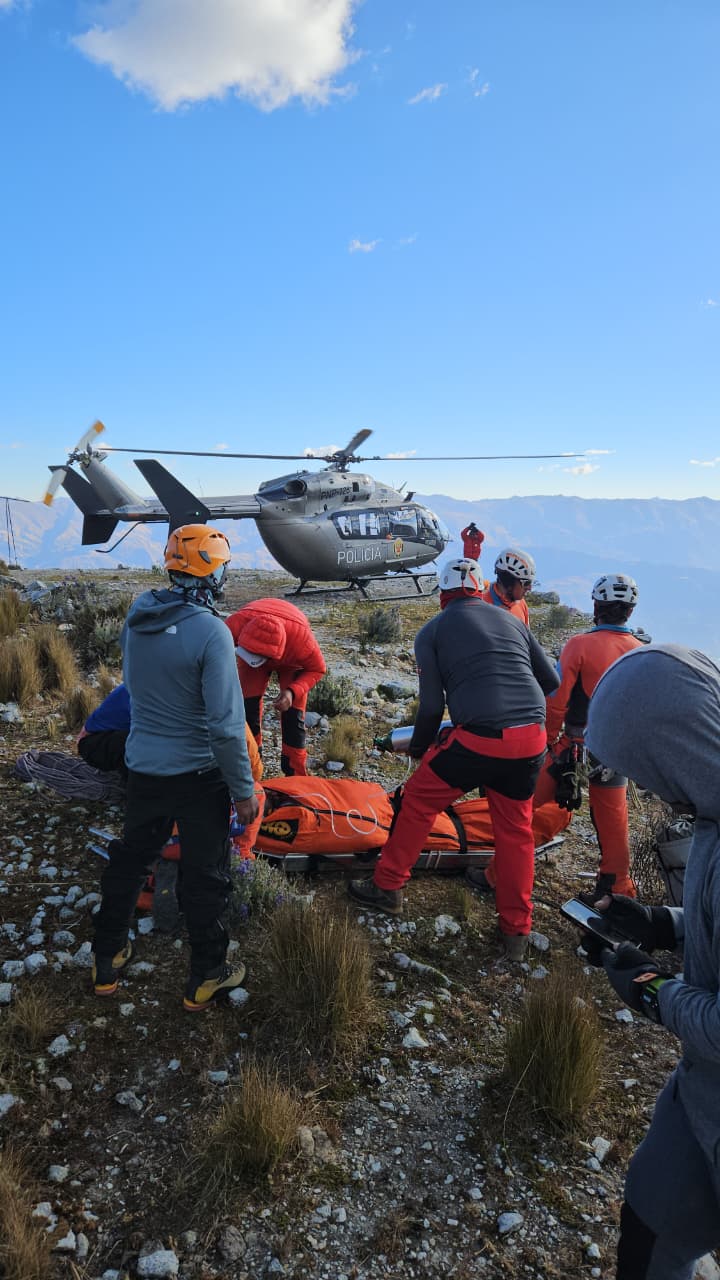
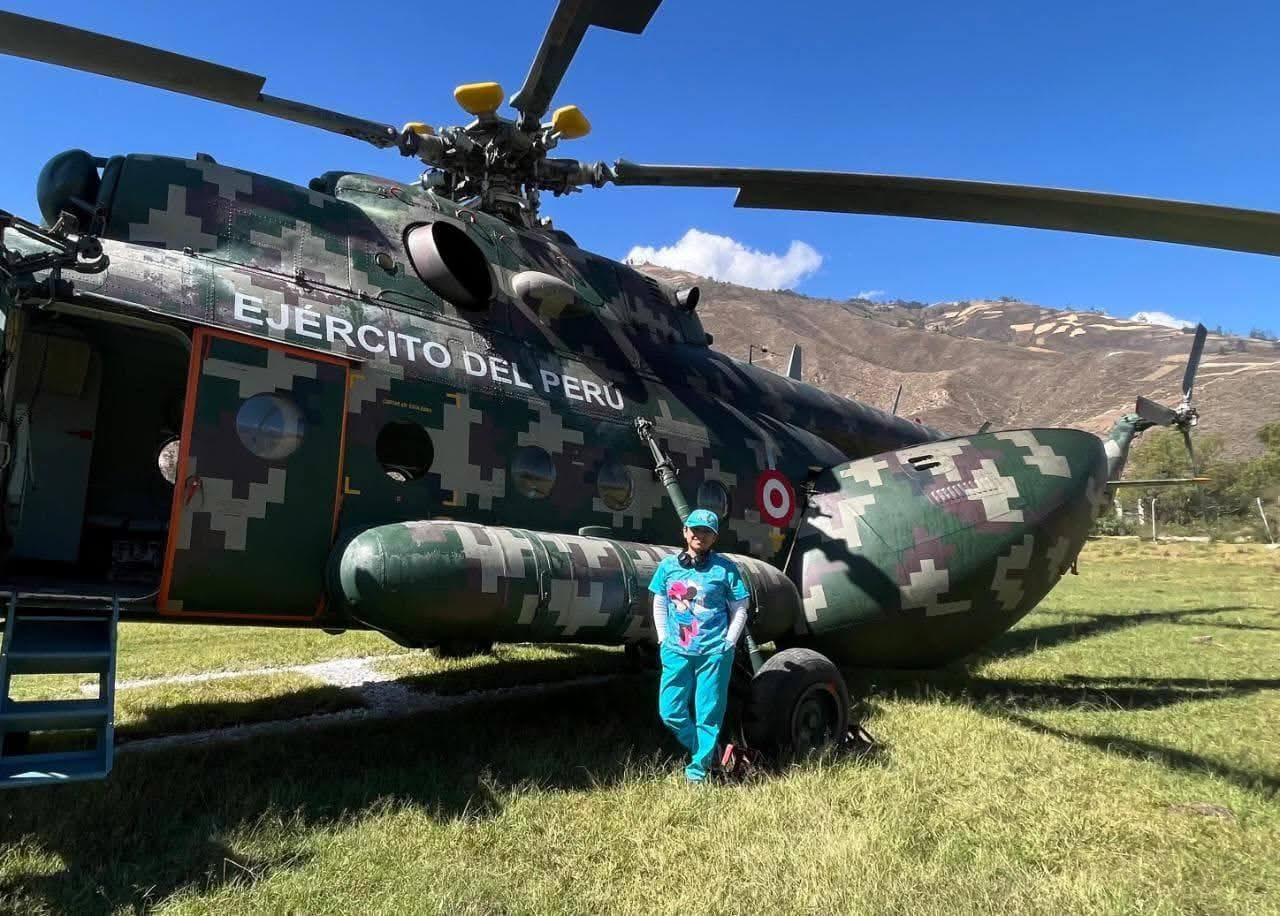
Every year, thousands of mountaineers, climbers, and tourists visit these high-exposure environments. Currently, Peru does not have a permanent, specialized aerial capability designed for high-altitude mountain rescues.
Problem Statement
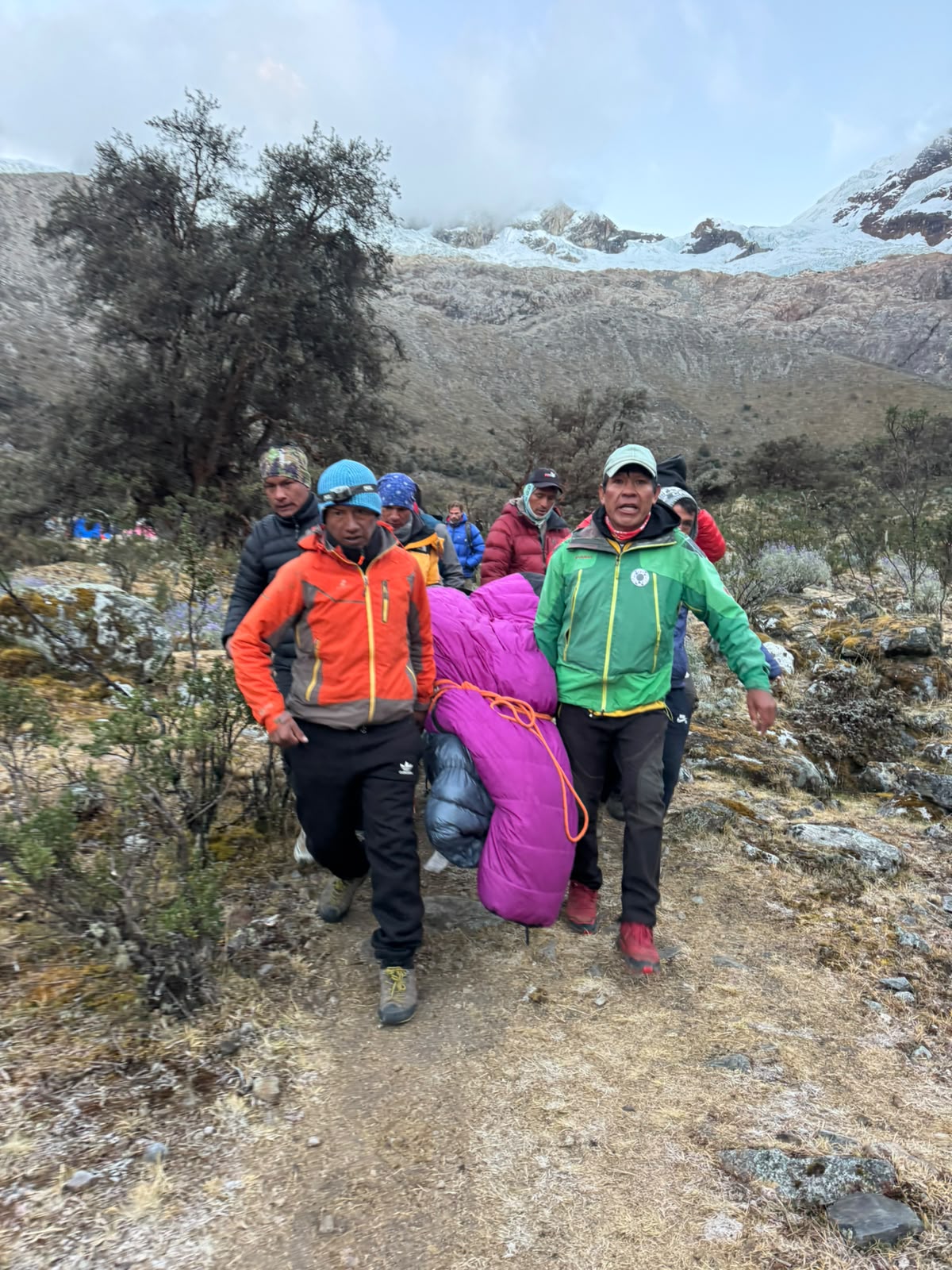
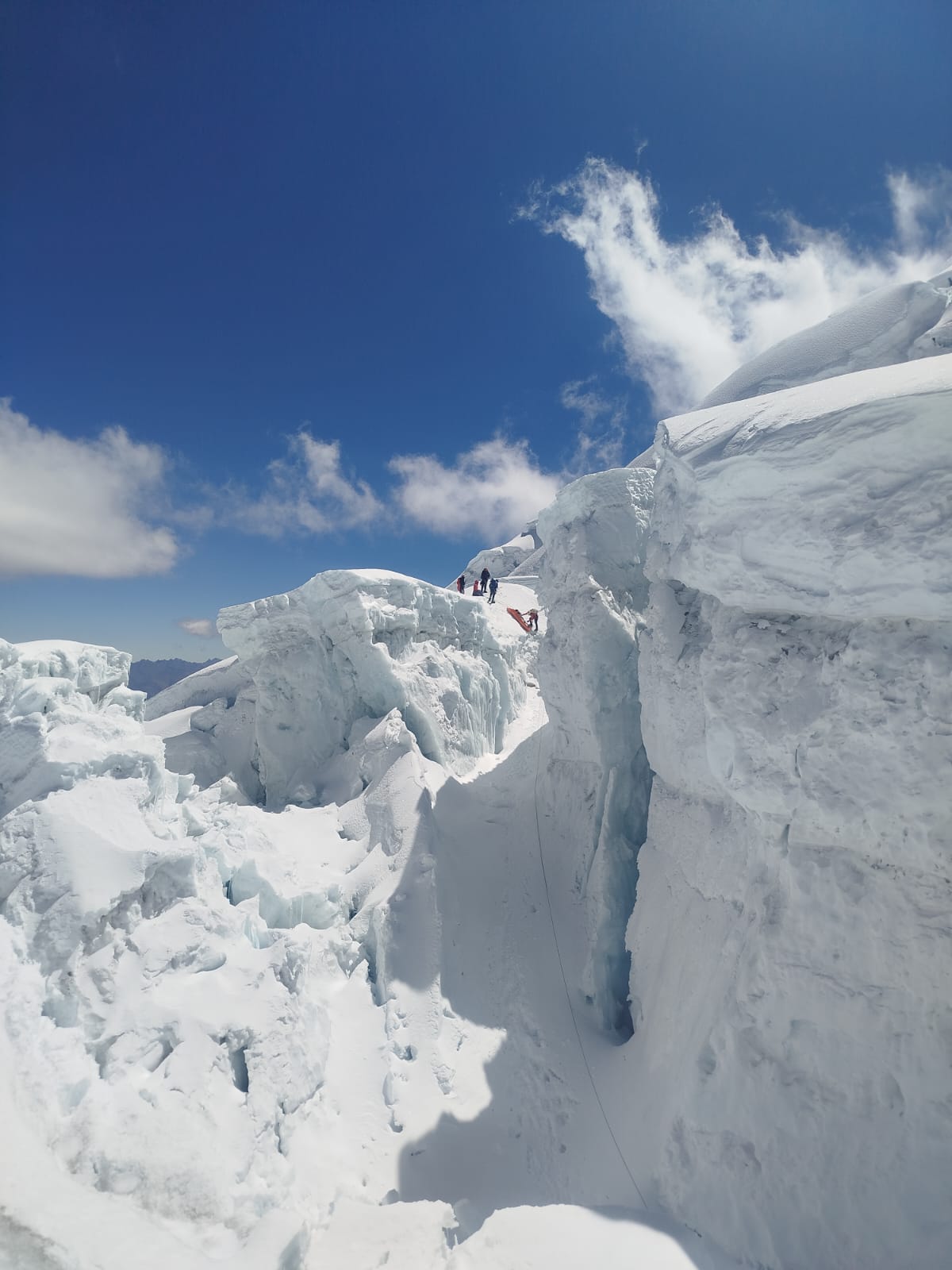
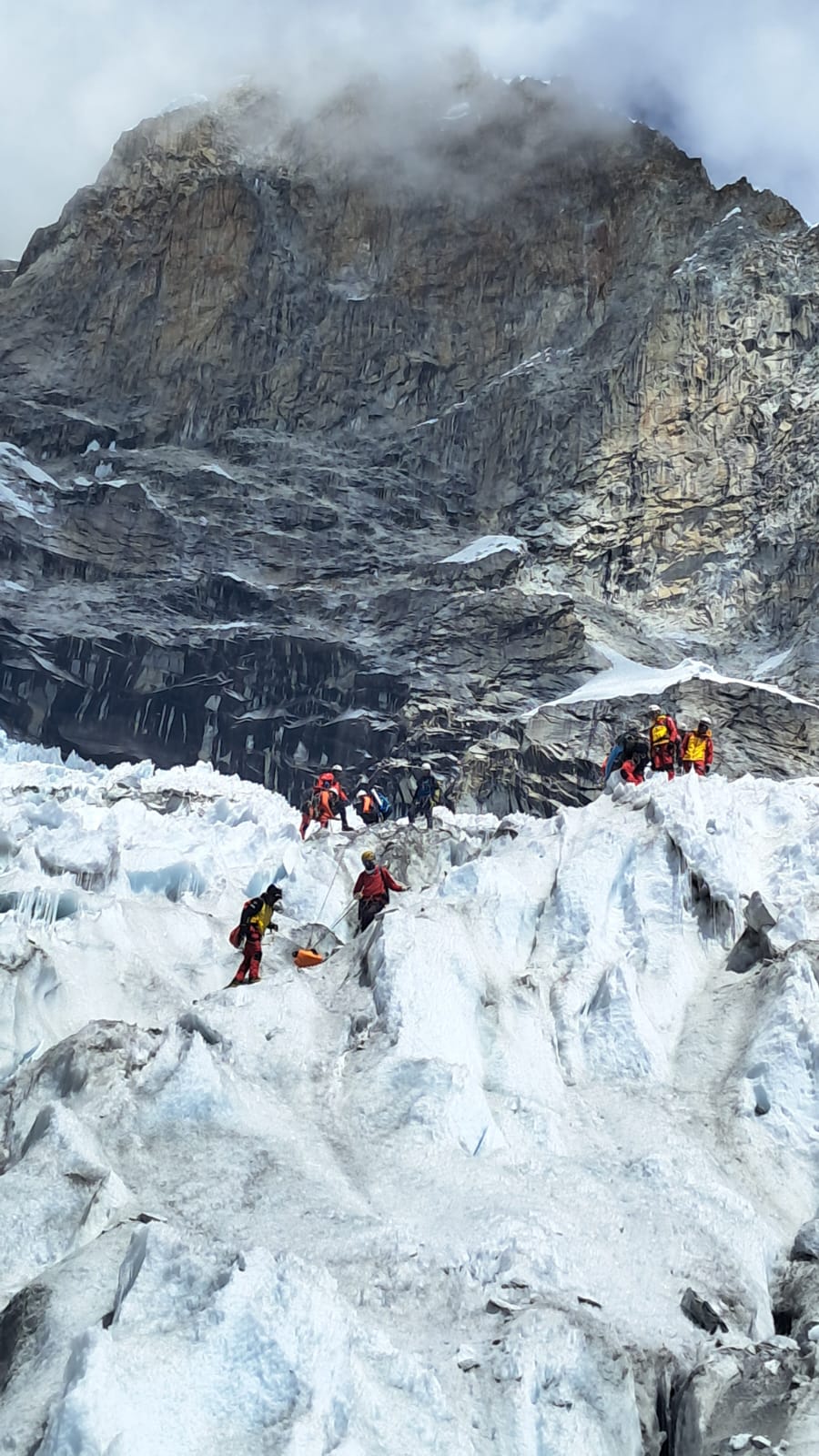
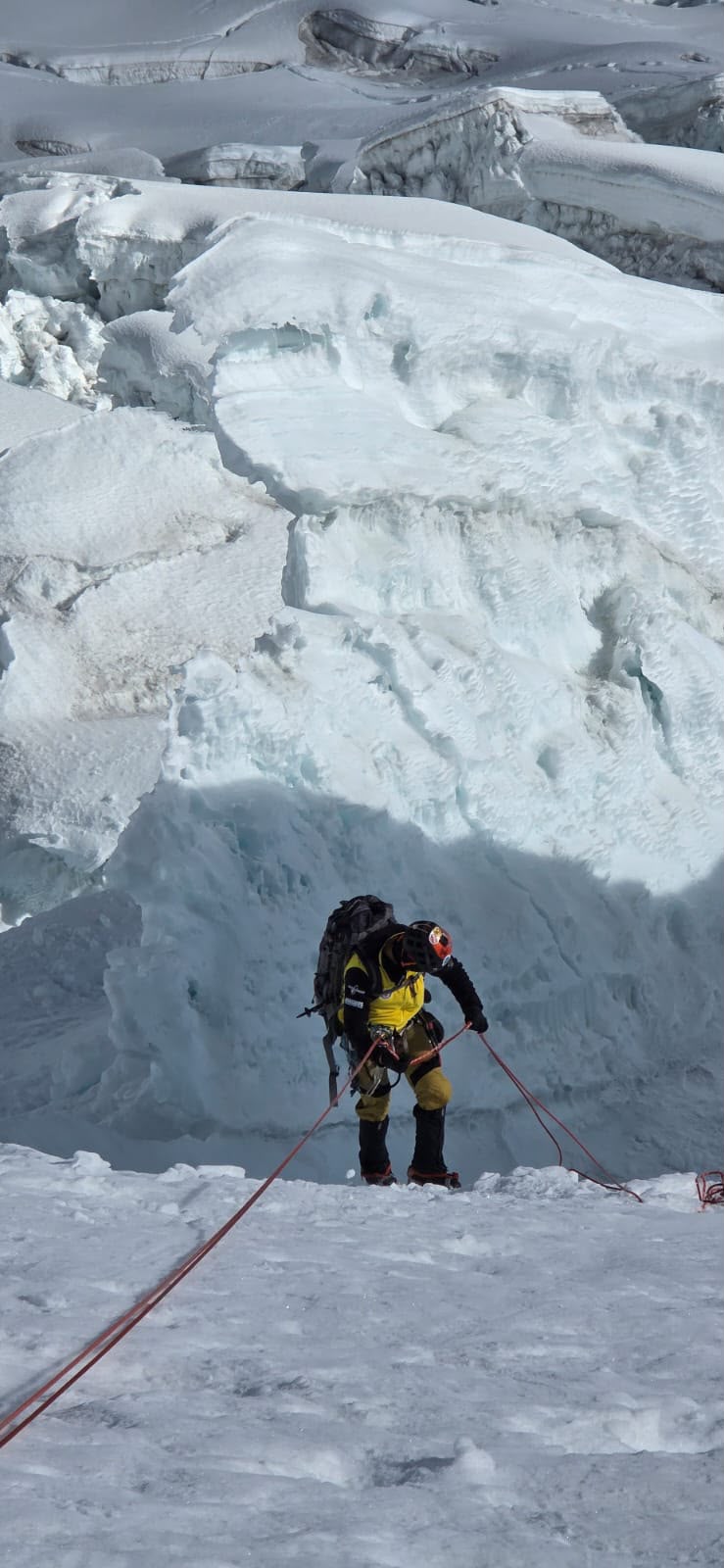
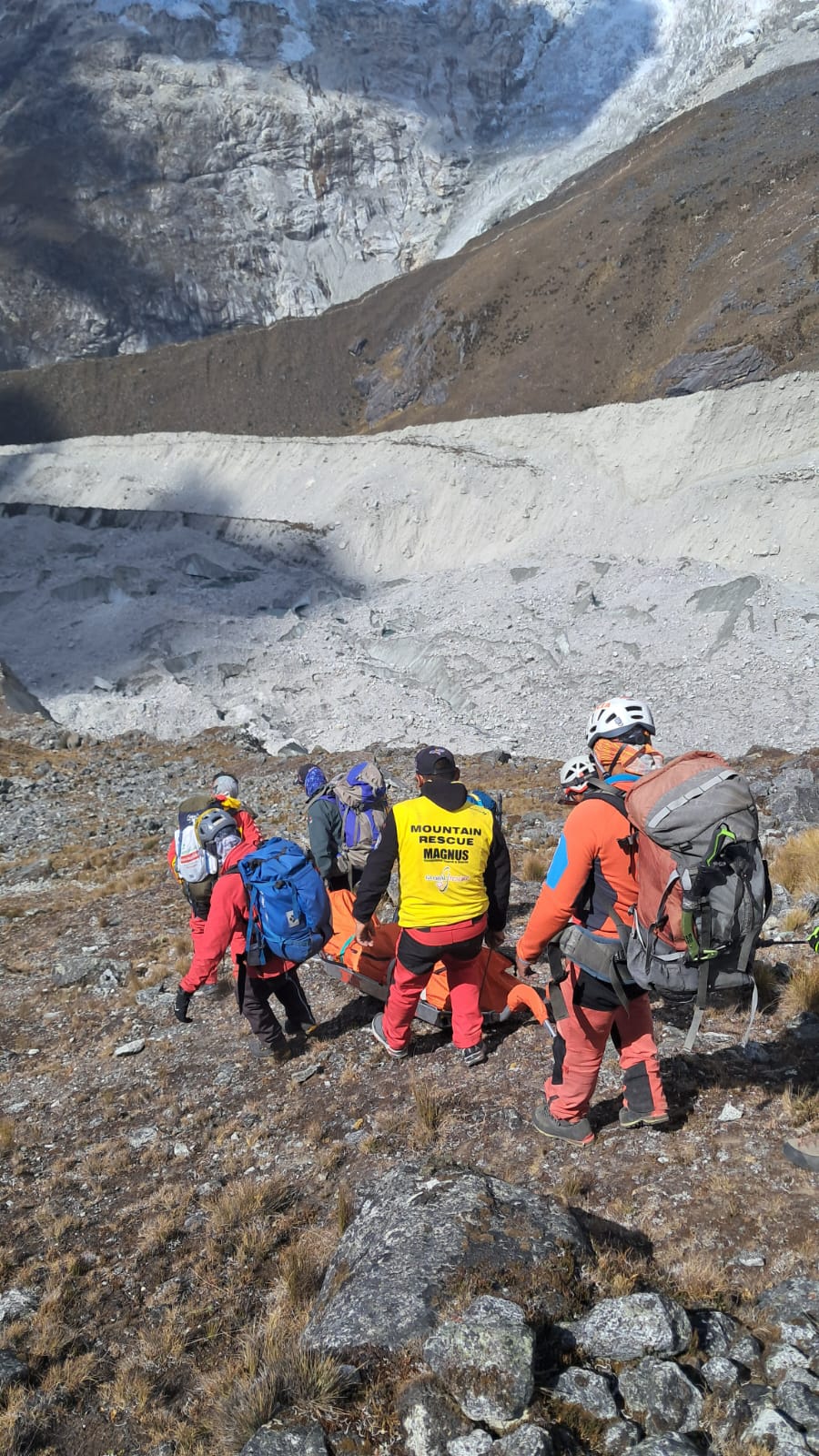
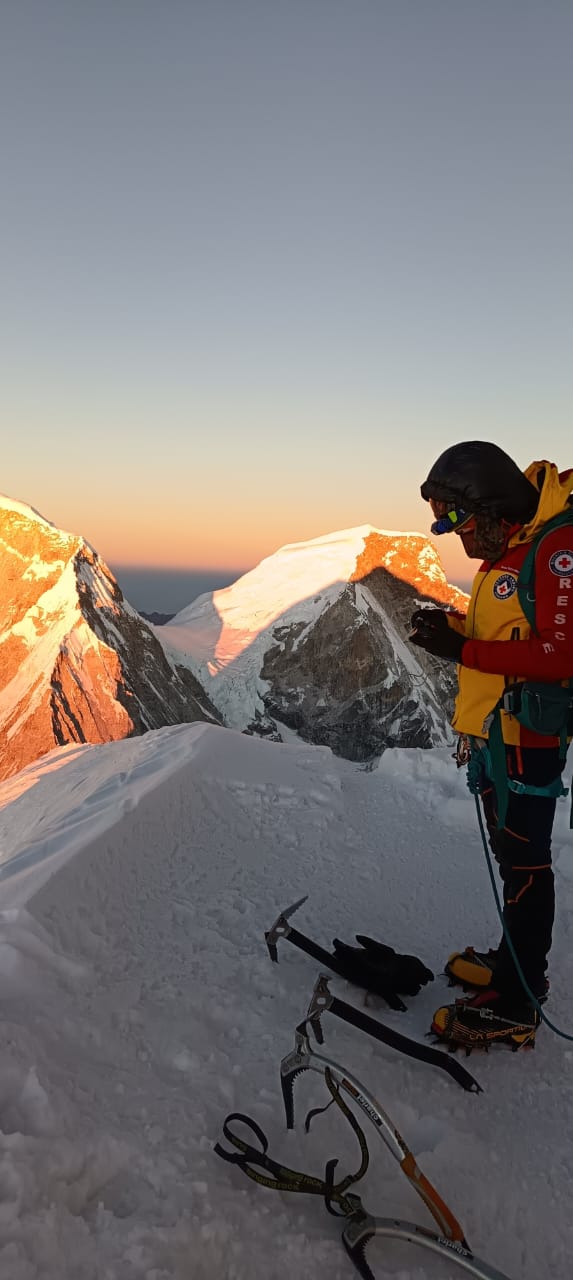
Emergencies on Nevado Huascarán and Andean massifs present unique operational challenges that cause delays of hours or days in ground rescues:
- Critical operations above 5,000 and 6,000 meters altitude.
- Severe pathologies: High Altitude Pulmonary Edema (HAPE), High Altitude Cerebral Edema (HACE), and hypothermia.
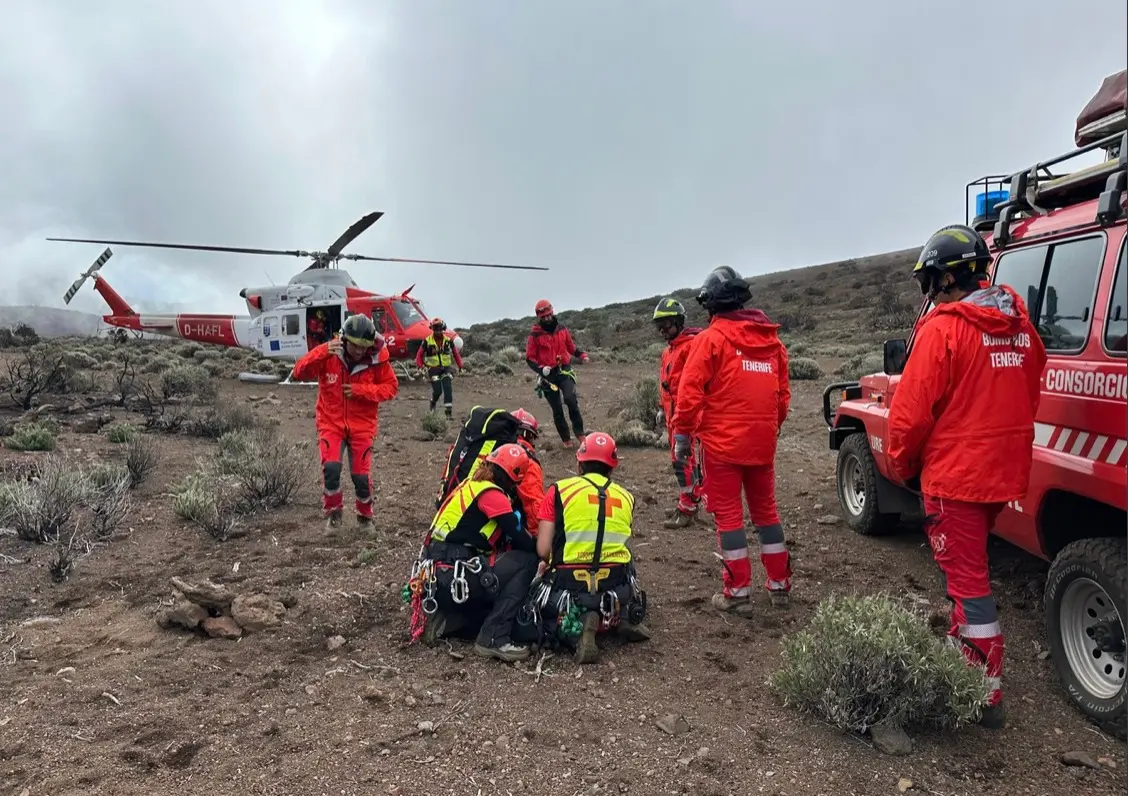
- Technical rescue on glaciers, avalanches, and deep crevasse falls.
- Extreme weather conditions and terrain inaccessible to conventional vehicles.



Main Peaks of the National SAR System
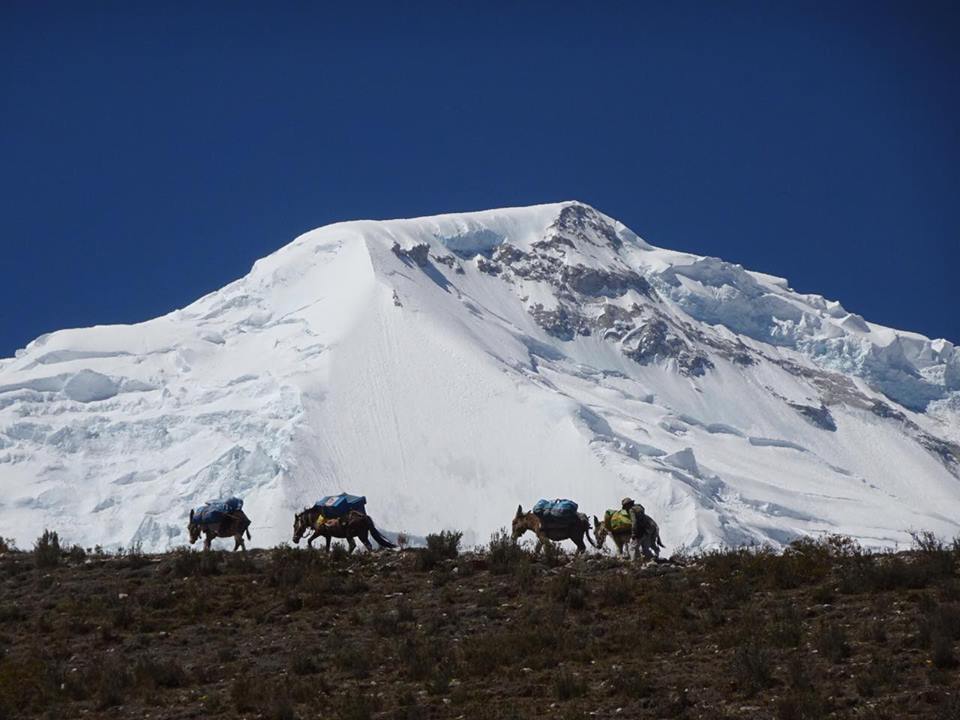
Nevado Huascarán Sur
6,768 mRegion: Ancash (Cordillera Blanca)
The highest mountain in Peru. Critical history of avalanches, crevasse falls, and complex large-scale rescues.
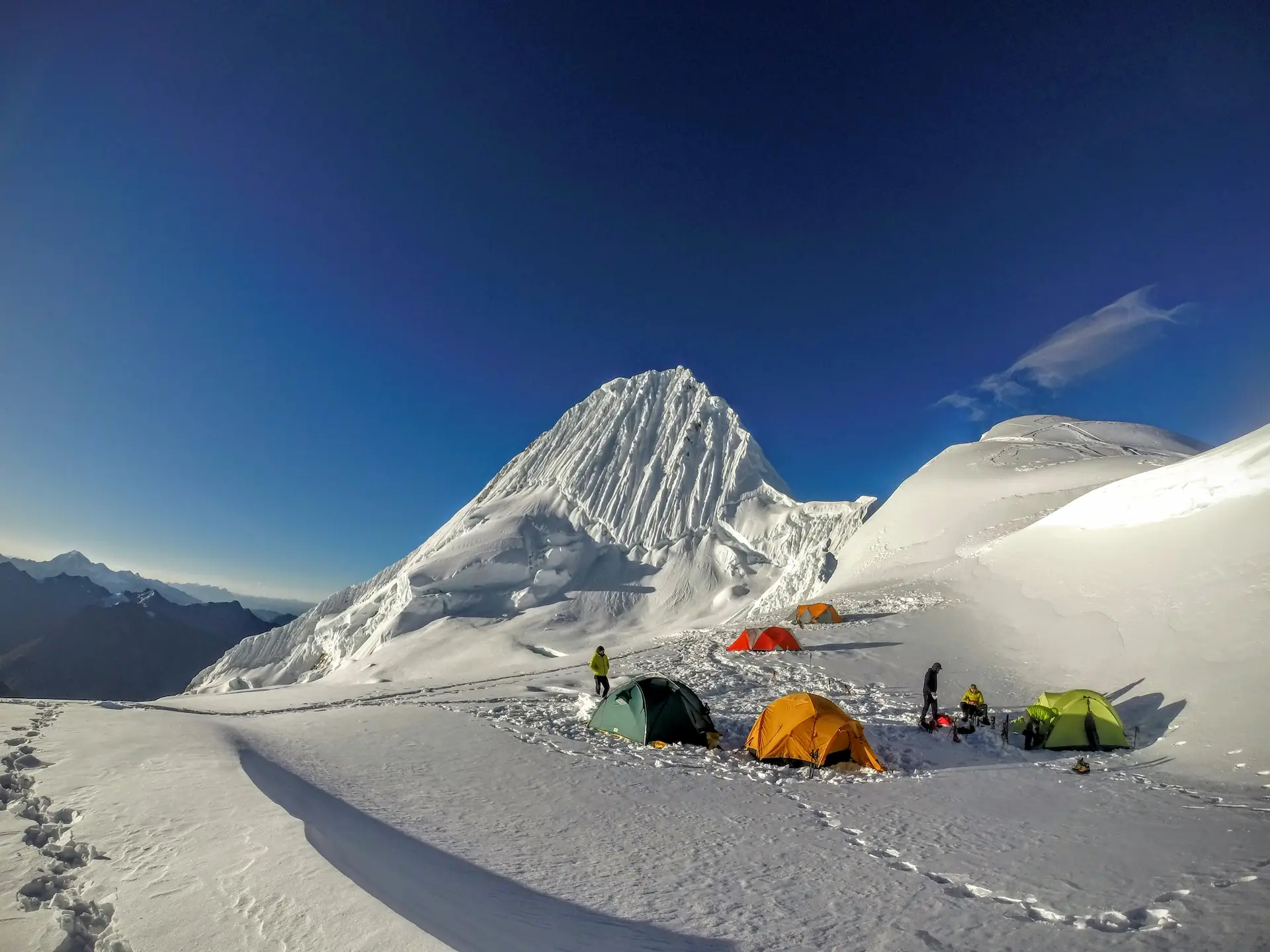
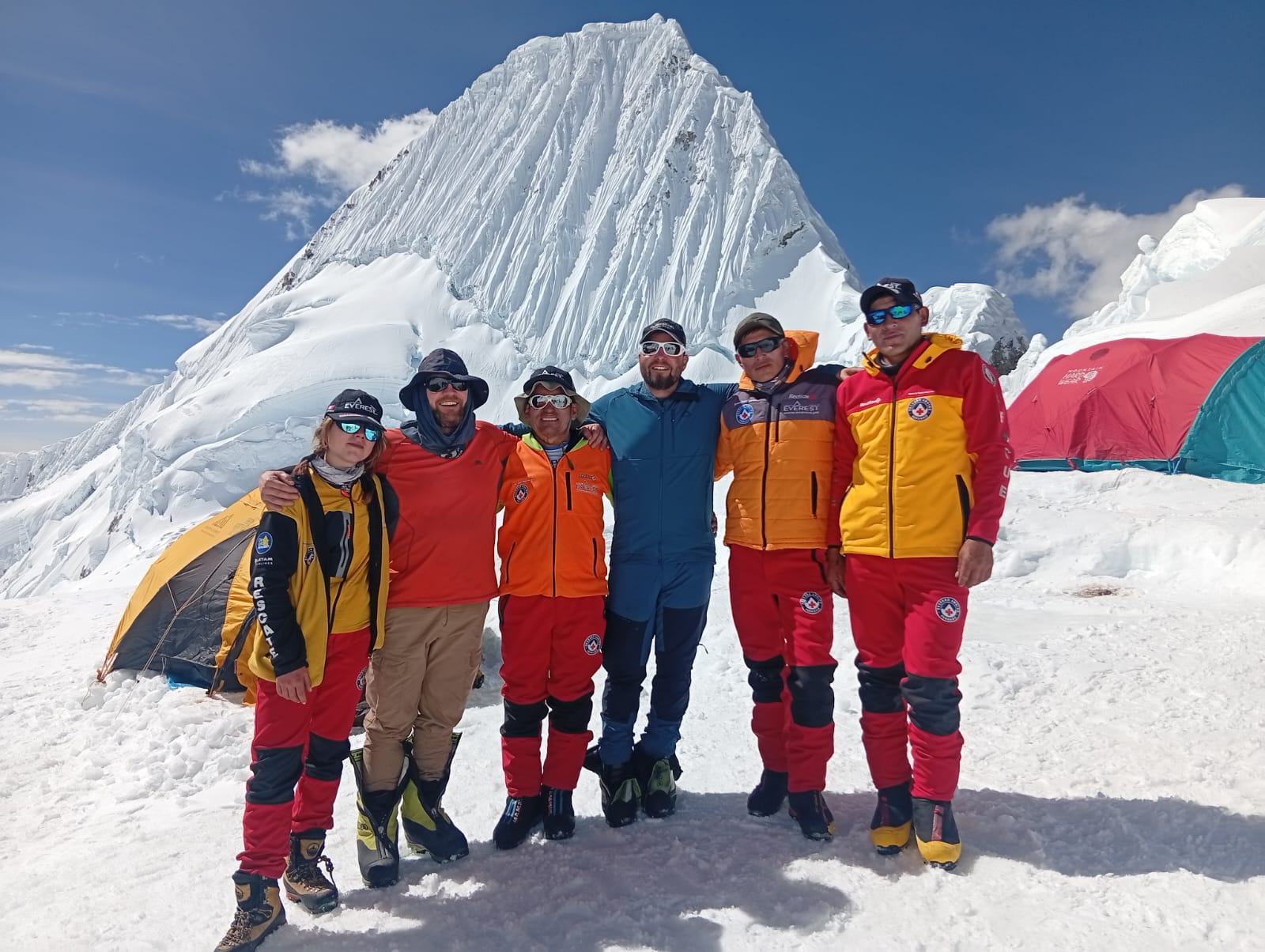
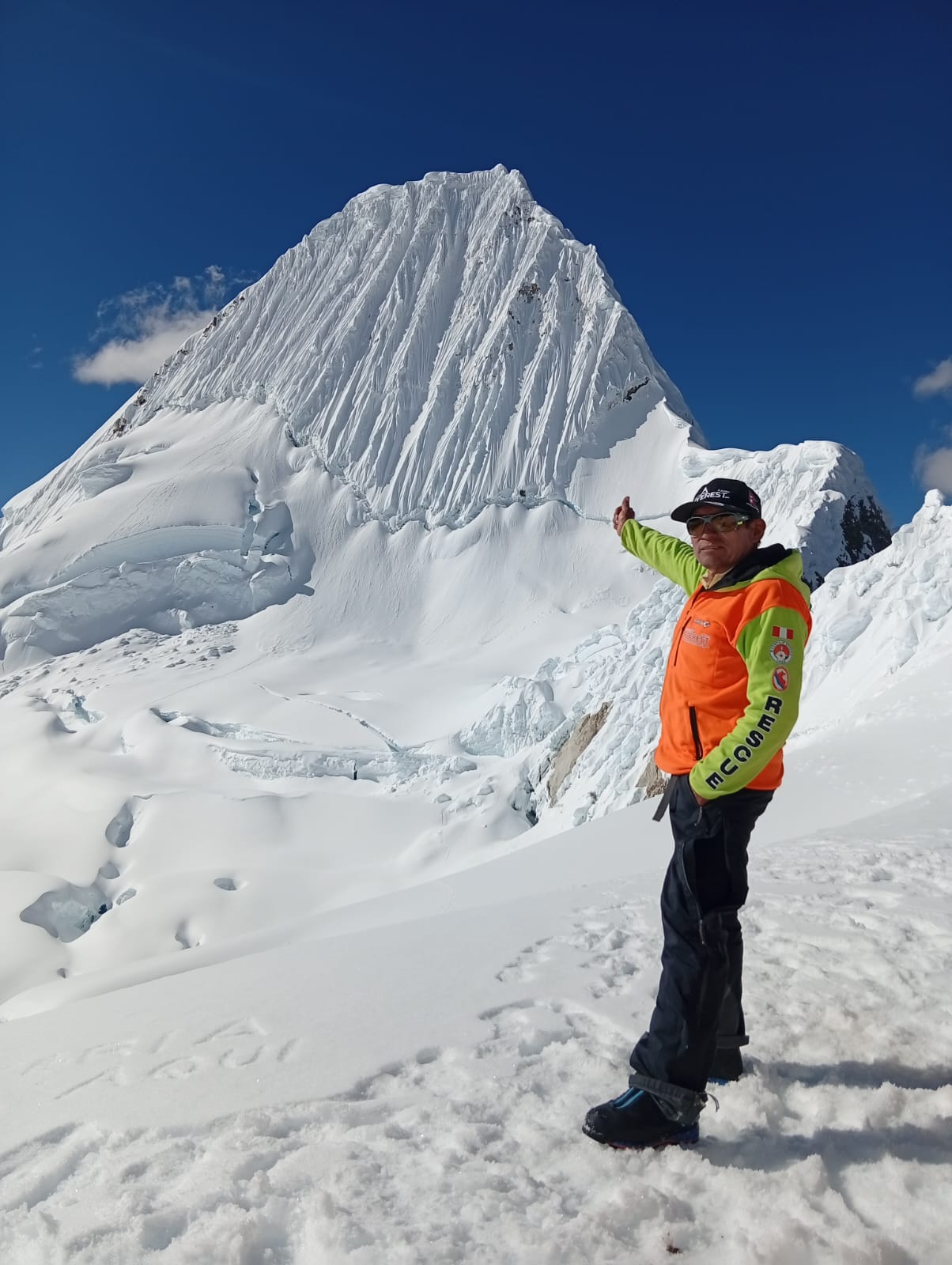
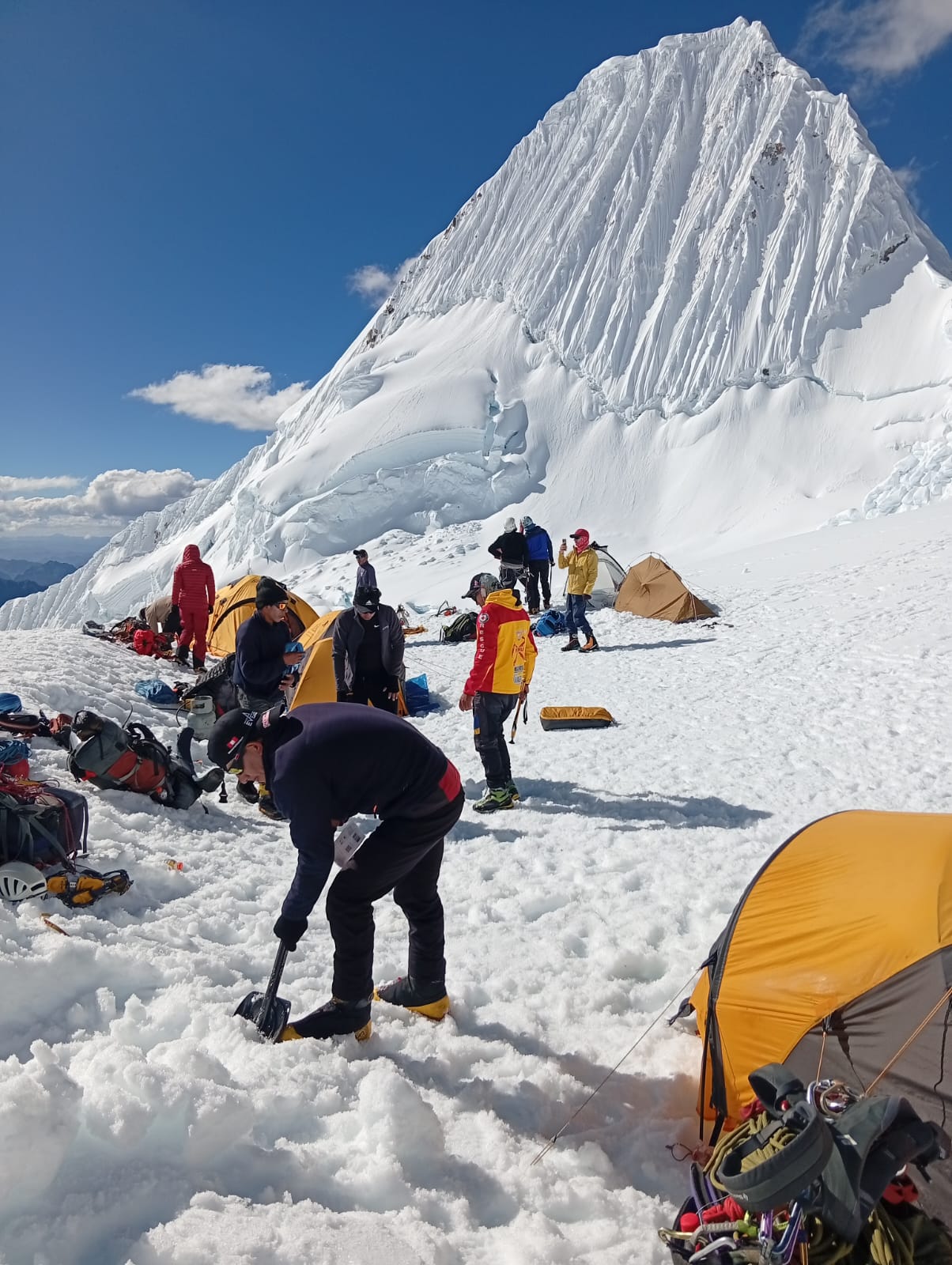
Nevado Alpamayo
5,947 mRegion: Ancash (Cordillera Blanca)
Considered one of the most beautiful mountains in the world. Frequent accidents due to serac collapses and extreme slopes.
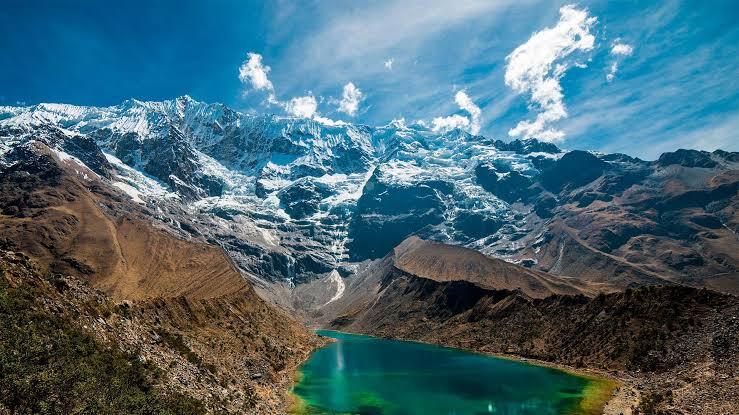
Nevado Ausangate
6,384 mRegion: Cusco (Cordillera Vilcanota)
Highest peak in southern Peru. Frequent scene of long-duration operations due to hypothermia and altitude sickness.
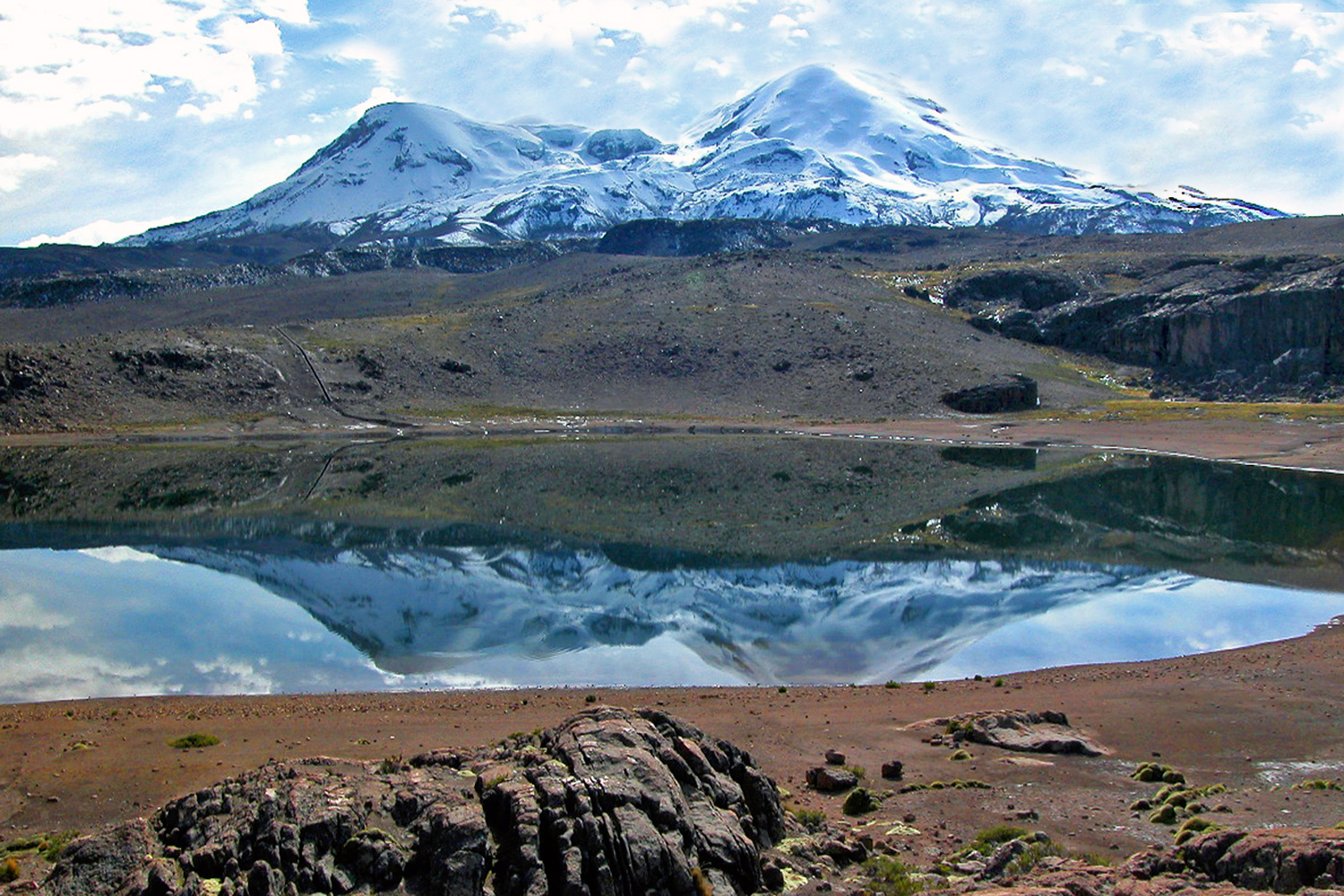
Nevado Coropuna
6,425 mRegion: Arequipa (Cordillera Volcánica)
The highest volcano in Peru. Complex zone for medical evacuations and long-distance SAR operations.
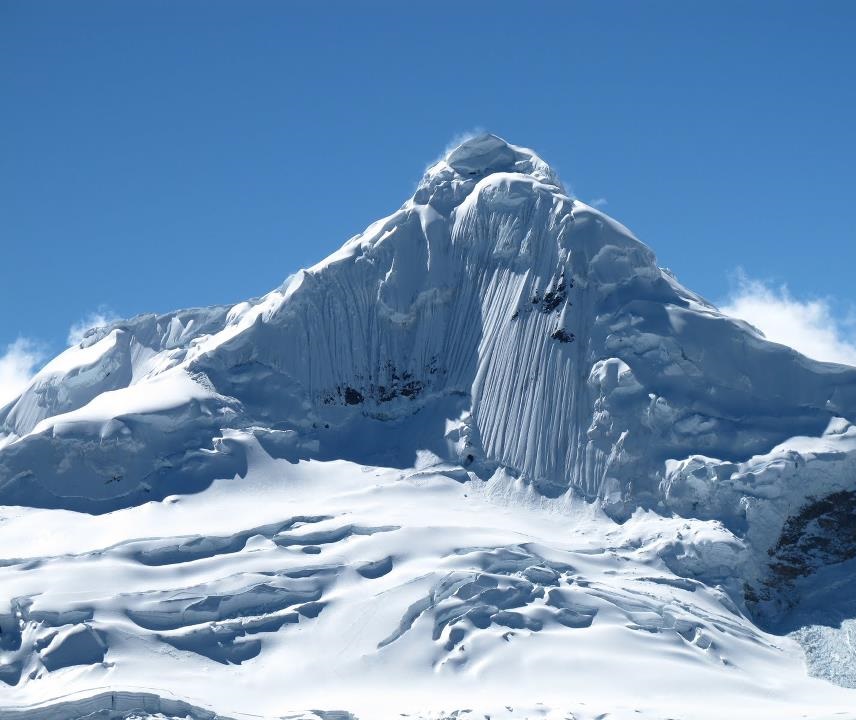
Nevado Tocllaraju
6,034 mRegion: Ancash (Cordillera Blanca)
Constant record of technical incidents and rescues during peak mountaineering seasons.
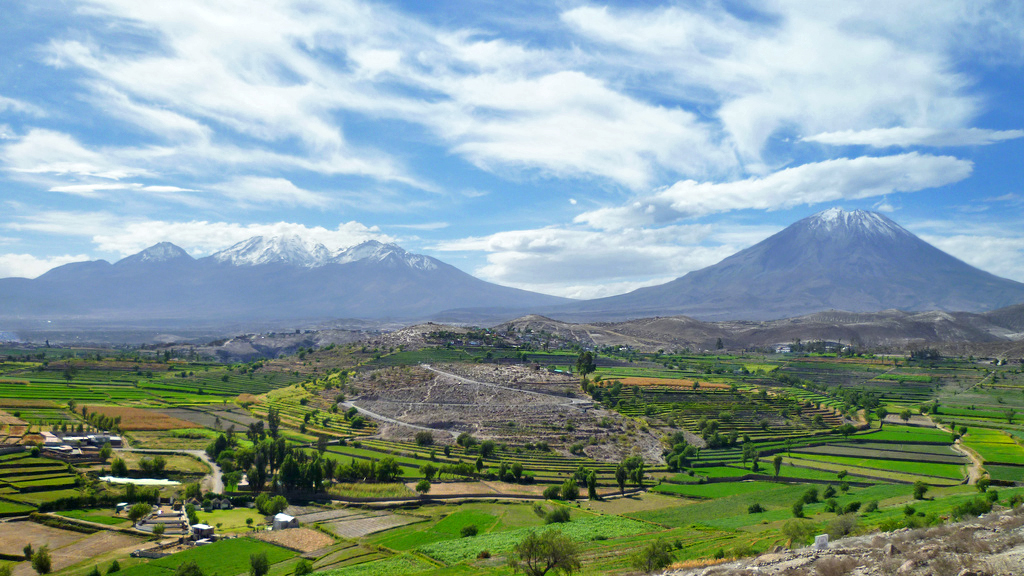
Misti & Chachani Volcanoes
5,822 mRegion: Arequipa
Highly visited by hikers, with frequent incidents of disorientation, dehydration, and acute mountain sickness.
Project Components
Acquisition or Donation
International incorporation of a specialized helicopter with SAR certification and HEMS configuration.
Pilot Training
Rigorous training in mountain aerial operations under extreme "Hot and High" conditions.
Specialized Rescuers
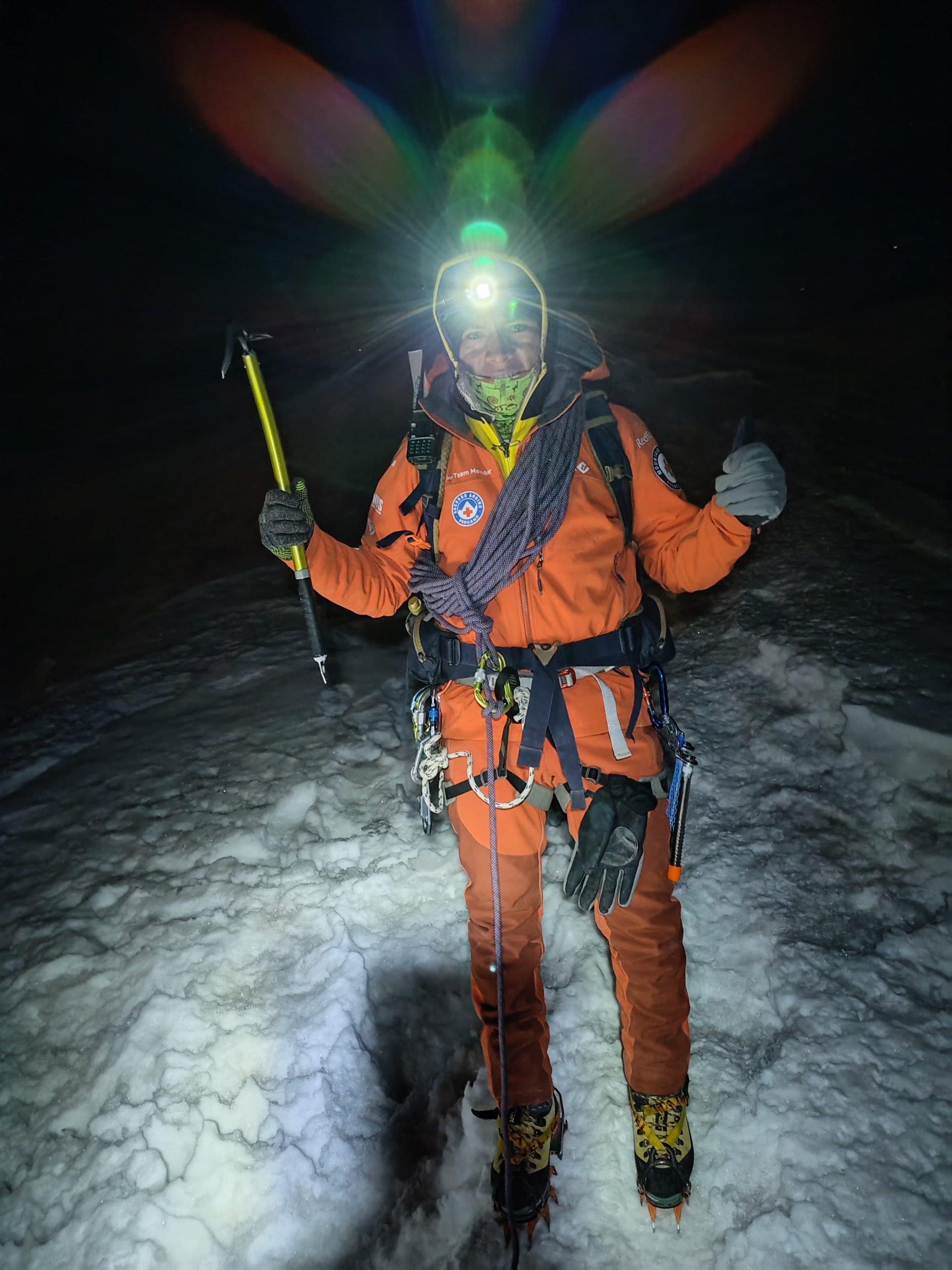
Advanced program for technical brigades in glacier rescue, vertical walls, and avalanches.
Permanent Base in Huaraz
Implementation of a centralized operational base for immediate deployment in the Cordillera Blanca.
Support and Maintenance
Permanent aeronautical logistical maintenance program to ensure high operational availability.
Aircraft Technical Capabilities
To ensure an effective response, a certified twin-engine platform with high performance is required to operate above 6,700 m a.s.l.
- Superior performance in "Hot and High" conditions
- Certified rescue hoist and cargo hook
- Full MEDEVAC configuration and rapid reconfiguration
- Advanced IFR/VFR avionics with NVG (night vision) compatibility
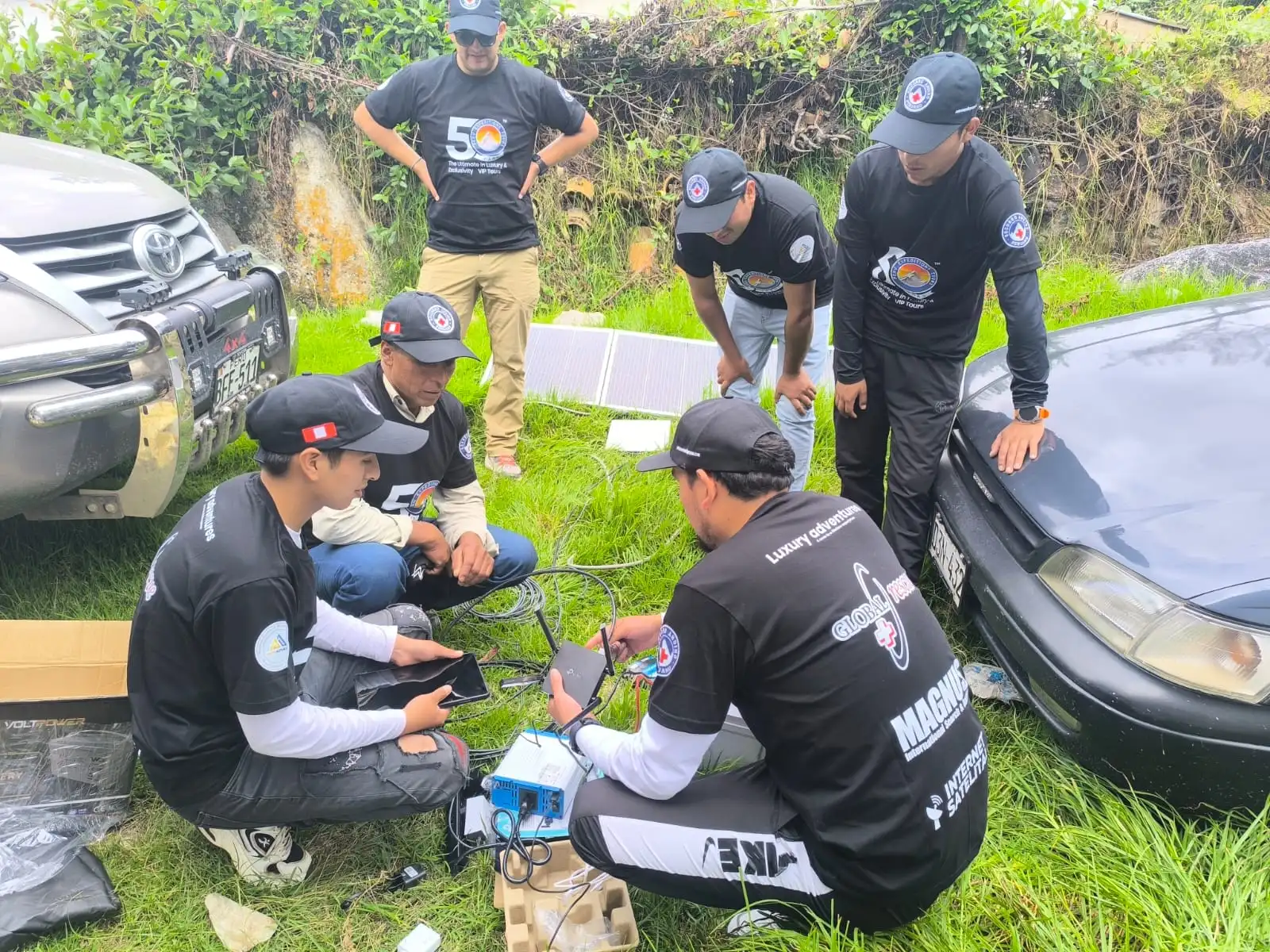
- Satellite communications and international SAR standards
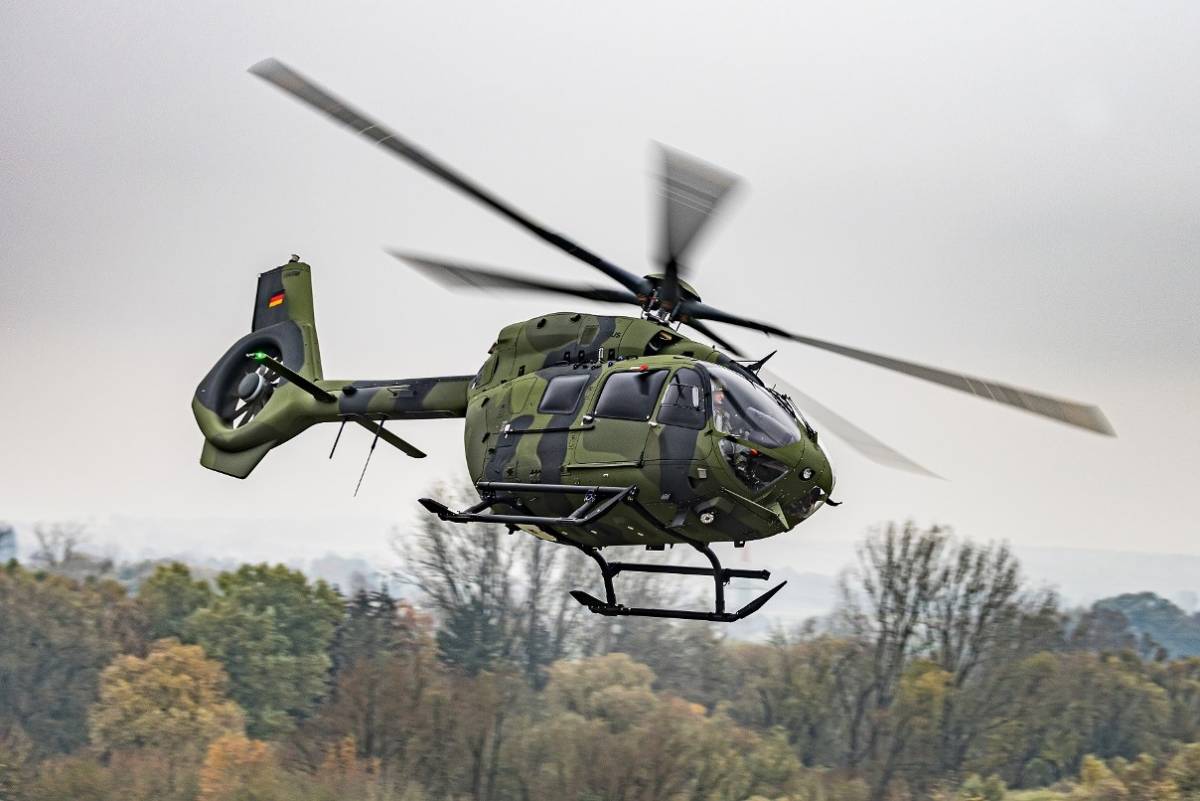
Recommended Platform
Airbus H145 D3 / H145M
Expanding experience in alpine rescues in Europe. Stands out for its high maneuverability, high-altitude performance, and optimal operating costs.
Alternatives evaluated: Leonardo AW169 / AW139Strategic Alliance & Specialized High Altitude Insurance
In cooperation with Bergrettung Tirol (Austria), we are driving the first project alongside the Socorro Andino Peruano Association (S.A.P.) and Global Mountain Rescue. We promote specialized insurance for expeditions exceeding Nevado Huascarán (6,768 m), with coverage of up to €30,000 to ensure the sustainability of rescue operations.
Technical Team & International Coordination
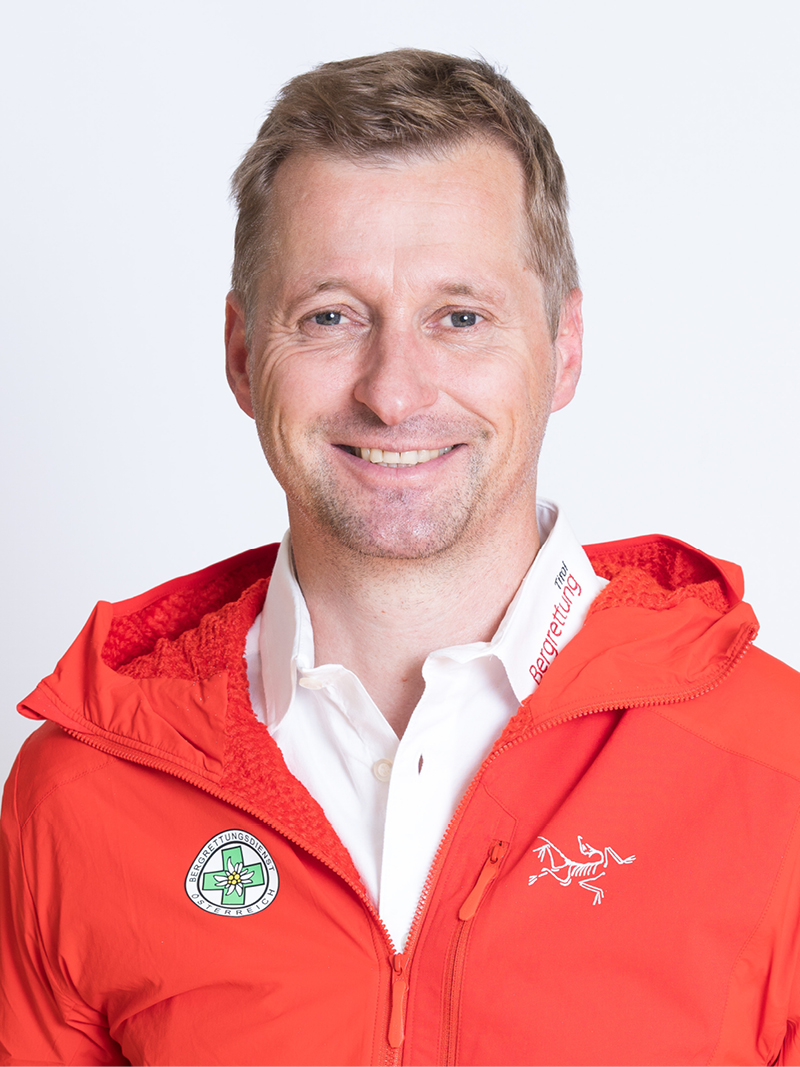
Mag. Ekkehard Wimmer
State DirectorBergrettung Tirol, Austria

Claudia Greier
General AdministrationHeadquarter Bergrettung Tirol
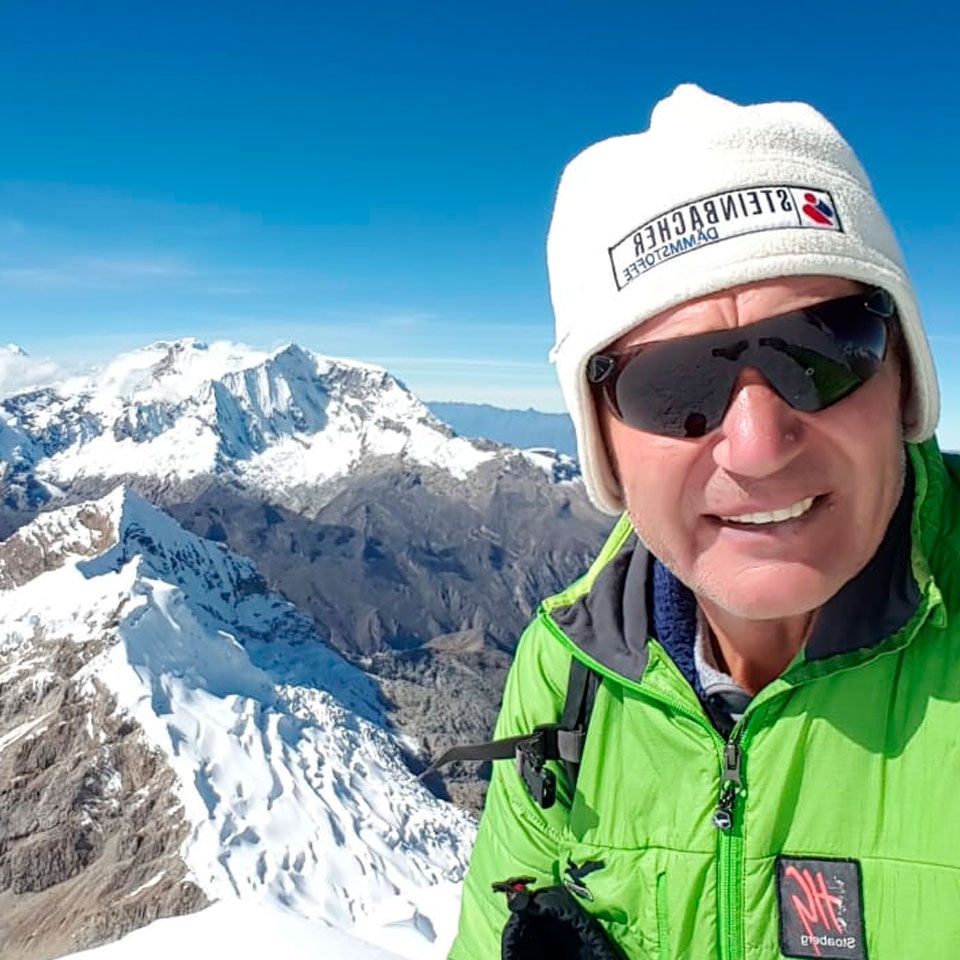
Markus Prechtl
International CoordinatorAustria
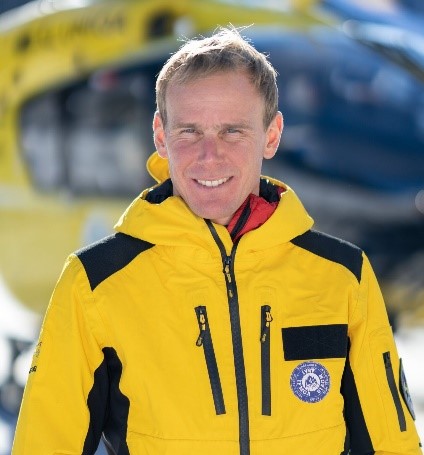
Florian Wechselberger
SAR Heli-Tactical InstructorÖAMTC Flugrettung

Abog. Katia Rocío Meza Díaz
Legal & AdministrationSocorro Andino Peruano
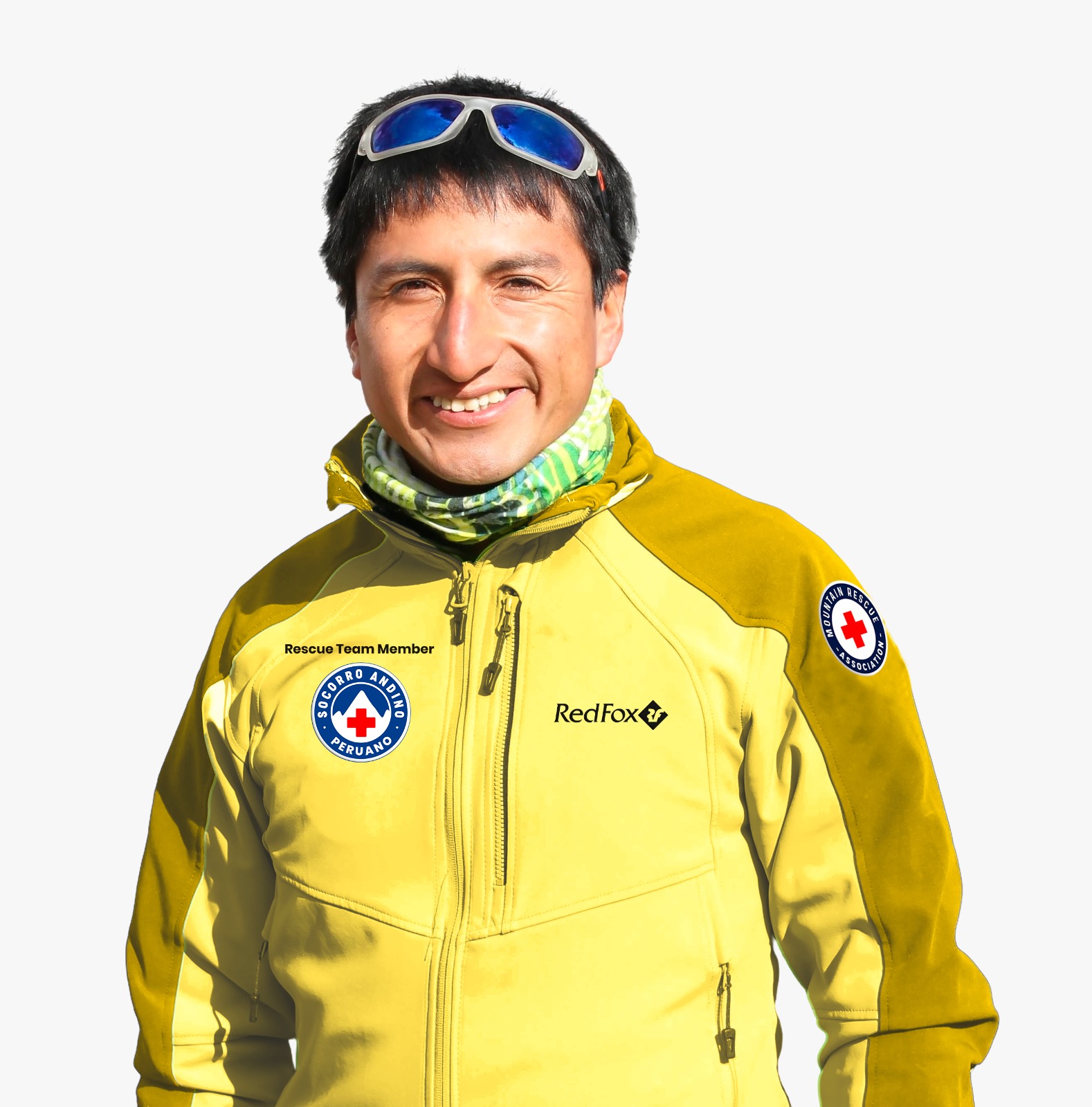
Eric Raúl Albino Lliuya
CEOSocorro Andino Peruano & Global Mountain Rescue
Playlist
0:16
0:16
0:16